
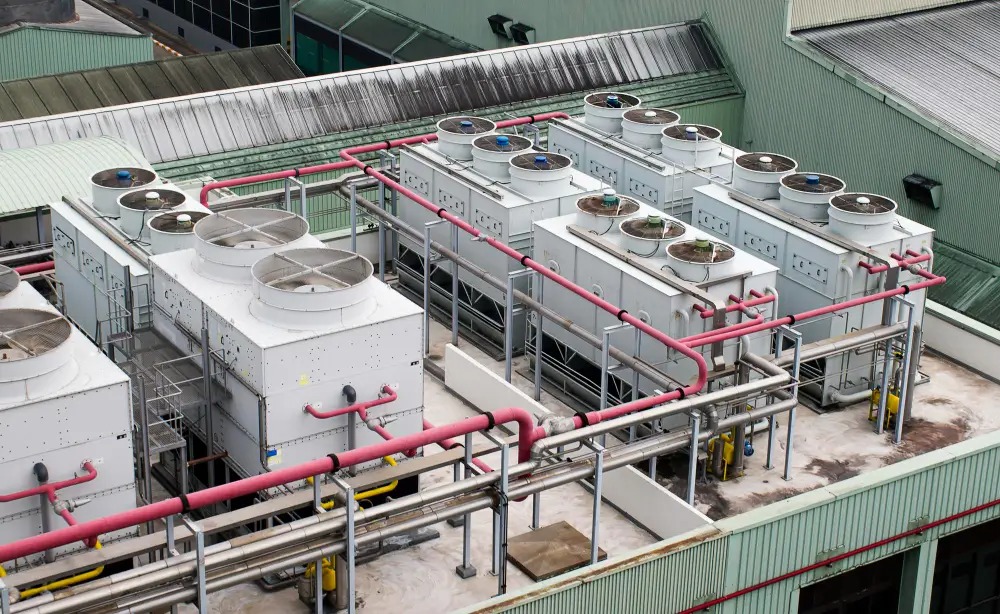
Cooling Tower Systems

colling water treatment

Cooling Tower Case Study: Optimizing Performance at Cement Factory with Corro Guard 310

Introduction One of Leading Cement Manufacturer`s Cooling Tower system was experiencing persistent scaling and deposition, leading to higher condenser temperatures, reduced heat-transfer efficiency, and increased water and energy usage. These challenges in the Cooling Tower were affecting plant reliability and operational performance. HydroGuard Enviro Solutions was engaged to evaluate the system and implement a technically robust solution that would stabilize water chemistry and restore optimal performance. As one of the trusted cooling water treatment chemical suppliers in uae, HydroGuard brought specialized expertise to address these issues effectively. Challenge During the site assessment, HydroGuard identified extensive calcium carbonate and mixed-salt deposits on the Cooling Tower fill, basin, and heat exchanger surfaces. Water analysis revealed high hardness and alkalinity, creating a strong tendency for scale formation in the Cooling Tower system. Inconsistent chemical dosing and poorly controlled cycles of concentration had allowed deposits to accumulate. Additionally, fine cement dust from plant operations contributed to deposition and nozzle blockages. These combined chemical and mechanical fouling factors were reducing Cooling Tower efficiency, increasing maintenance requirements, and elevating operational costs. Solution HydroGuard implemented a targeted treatment program using Corro Guard 310, a high-performance scale inhibitor engineered for demanding industrial Cooling Tower systems. The program began with a complete cleaning of the system to remove existing deposits. An automatic controller was installed to deliver real-time, precise dosing of Corro Guard 310, ensuring effective control of calcium, sulphate, and phosphate scaling while maintaining dispersion of suspended solids in the Cooling Tower water system. Cycles of concentration were optimized to minimize blowdown, and a dispersant was introduced to manage dust-related deposition. Weekly monitoring and inspections ensured chemical balance, uniform water distribution, and consistent Cooling Tower performance. HydroGuard, recognized among leading cooling water treatment chemical suppliers in uae, ensured the solution met industrial standards. Result Within weeks, Union Cement observed substantial improvements in their Cooling Tower operations. Scale formation decreased by approximately 85%, with heat exchangers and tower fills remaining clean and hydraulically efficient. Nozzle blockages were minimized, restoring uniform water flow. Condenser approach temperature improved by 2–3°C, reflecting better heat-transfer performance in the Cooling Tower system. Optimized cycles of concentration led to 20–30% savings in makeup water and blowdown, while chiller energy consumption decreased by 6–10%. Maintenance frequency dropped from monthly to quarterly, reducing downtime and freeing manpower. Union Cement reported a significant increase in system reliability, operational stability, and cost efficiency. By addressing both chemical scaling and particulate fouling, Corro Guard 310 delivered a technically sound and sustainable solution. This success further highlights why HydroGuard stands out among cooling water treatment chemical suppliers in uae for industrial applications, especially in complex Cooling Tower environments. FAQs  1. What causes scaling in a Cooling Tower system? Scaling in a Cooling Tower is mainly caused by high hardness, alkalinity, and poor chemical control, leading to mineral deposits like calcium carbonate. 2. How can Cooling Tower efficiency be improved? Efficiency improves through proper chemical dosing, cleaning, optimized cycles of concentration, and using high-performance inhibitors like Corro Guard 310. 3. Why is water treatment important in Cooling Towers? Water treatment prevents scaling, corrosion, and fouling, ensuring better heat transfer, reduced energy consumption, and longer equipment life in a Cooling Tower. 4. What role do chemical suppliers play in Cooling Tower maintenance? Reliable cooling water treatment chemical suppliers in uae provide advanced solutions, monitoring support, and tailored programs to maintain system efficiency. 5. How often should a Cooling Tower be maintained? Regular monitoring is weekly, while major maintenance depends on system condition—typically quarterly after proper chemical treatment optimization.

Cooling Tower Case Study: Optimizing Performance at Cement Factory with Corro Guard 310 Read Post »
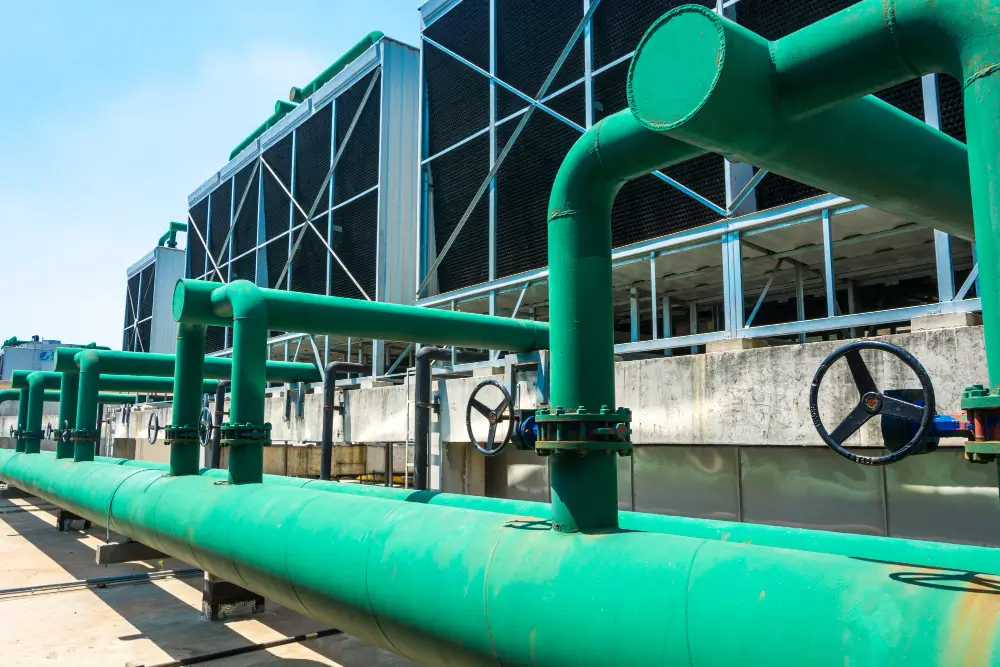
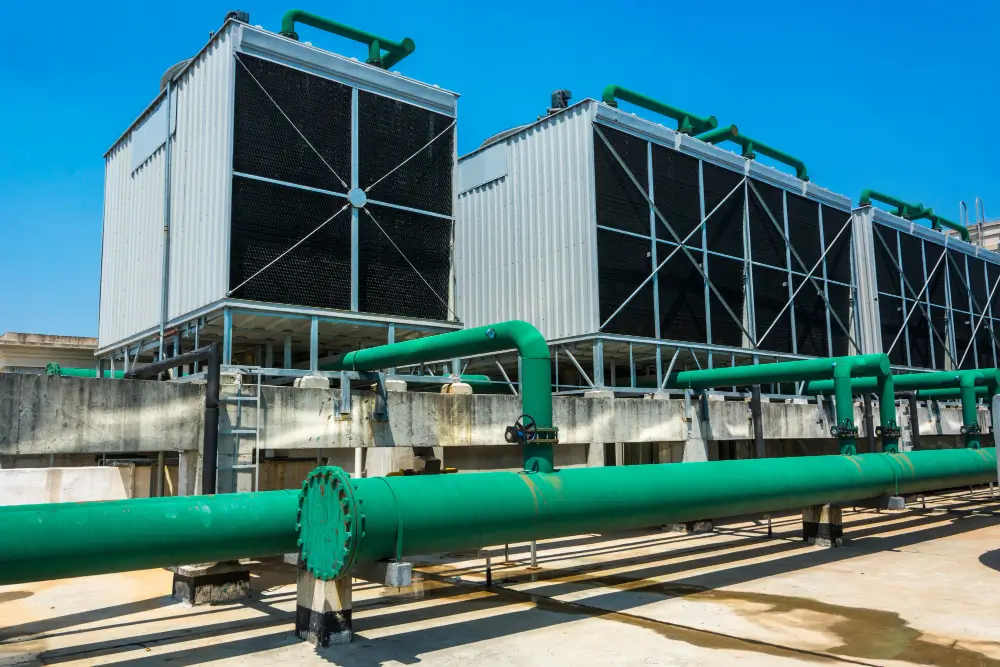
Why Engineering Surveys Are Crucial for Effective Cooling Water Treatment

Why Engineering Surveys Are Crucial for Effective Cooling Water Treatment

In the world of industrial cooling systems, proper water treatment is not just a best practice—it’s essential to ensure system efficiency, longevity, and safety. However, selecting the right cooling water treatment solutions is not as simple as choosing a product from the shelf. It all begins with a detailed engineering survey that evaluates both the cooling system and the water quality. Companies like Hydroguard emphasize the importance of engineering surveys to design reliable cooling water treatment solutions tailored to each facility’s requirements. Understanding the System Every cooling system is unique. From open cooling towers to closed-loop circuits, the design, materials, and operational parameters determine the type of treatment it requires. Key aspects to consider include: System Design & Flow:Knowing flow rates, system volume, and piping layout ensures chemicals are dosed accurately and that cooling water treatment solutions perform effectively. Materials of Construction:Copper, carbon steel, stainless steel, or concrete each react differently to water chemistry. Proper corrosion inhibitors must match the system materials. Operating Conditions:Temperature, cycles of concentration, and system pressure influence scaling, corrosion, and microbial growth. A thorough system survey identifies potential problem areas, such as hotspots prone to corrosion or zones where sediment accumulates. These insights help engineers choose the most appropriate cooling water treatment solutions for long-term system reliability. Analyzing Water Quality Water quality is the foundation of every cooling system. Its chemistry determines which treatment methods and products will be effective. A detailed water analysis provides insight into: Hardness and Alkalinity:High calcium and magnesium levels can cause scaling, requiring specialized treatment chemicals. TDS and Conductivity:High salt content affects cycles of concentration and may accelerate corrosion. Chlorides, Sulfates, and Silica:Elevated levels increase the risk of corrosion and fouling in cooling equipment. Iron, Manganese, and Microbial Content:These impurities contribute to sludge formation, biofilm growth, and reduced system efficiency. Without accurate data, implementing cooling water treatment solutions becomes guesswork—leading to equipment damage, downtime, and higher operational expenses. Optimizing Treatment Programs By combining system data with water chemistry analysis, engineers can design a customized program that includes advanced cooling water treatment solutions tailored to the facility. A well-designed treatment program will: With expertise from providers such as Hydroguard, facilities can implement efficient and sustainable treatment programs that maximize performance and minimize downtime. Ensuring Compliance and Safety Many industries must comply with strict environmental and safety regulations related to water discharge and chemical handling. A comprehensive engineering survey helps ensure that selected cooling water treatment solutions meet regulatory requirements while maintaining operational safety. Conclusion An engineering survey is not a luxury—it is a necessity for effective cooling water treatment. Implementing cooling water treatment solutions without understanding the system is like prescribing medicine without diagnosing the patient. With the right assessment and expert support from Hydroguard, businesses can ensure their cooling systems operate efficiently, safely, and sustainably for years to come.

Why Engineering Surveys Are Crucial for Effective Cooling Water Treatment Read Post »

cooling tower system

How to Control Biological Growth in Cooling Tower Systems

Cooling towers play a critical role in many industrial operations. However, they are also among the most biologically active components of any water system. Due to their open design and constant exposure to warm, nutrient-rich water, cooling towers naturally attract microorganisms such as algae, bacteria, and slime-forming species. For facilities working with cooling tower system suppliers in UAE, controlling this biological growth is essential to maintaining performance, safety, and asset protection. At Hydroguard, extensive field experience has shown that understanding microbial behavior in cooling water is the first step toward effective and sustainable control. Why Cooling Towers Encourage Biological Growth Unlike closed-loop systems, cooling towers continuously draw in air, dust, and organic matter from the surrounding environment. At the same time, sunlight, elevated temperatures, and nutrients present in makeup water create ideal conditions for microbial growth. As a result, algae can form visible films in basins within days, while bacteria establish biofilms on fill media, piping, and louvers. This growth goes beyond appearance. Biological contamination can significantly impact system operation by reducing heat-transfer efficiency, blocking nozzles and strainers, and increasing energy consumption. In addition, slippery surfaces increase safety risks for maintenance personnel. Therefore, facilities working with cooling tower suppliers in UAE must address biological growth as a core operational concern. When Microorganisms Lead to Corrosion and Health Risks If left unmanaged, biological growth can lead to serious mechanical and safety issues. One major concern is Microbiologically Influenced Corrosion (MIC). Certain bacteria, particularly sulfate-reducing species, create localized environments that accelerate metal deterioration. These organisms often live within biofilms, which shield them from basic disinfection methods. Over time, MIC can cause pitting, leaks, and costly equipment failure. Equally important is the risk of Legionella pneumophila. Warm cooling water provides favorable conditions for this bacterium, which is responsible for Legionnaires’ disease. Without effective treatment and monitoring, Legionella levels can rise to dangerous thresholds. For this reason, cooling tower maintenance services in the UAE increasingly emphasize proactive biological control. Proven Methods to Control Biological Activity in Cooling Towers At Hydroguard, biological control strategies are practical, proactive, and tailored to each system’s operating conditions. The approach focuses on prevention, consistency, and measurable results. Oxidizing Biocides Carefully controlled doses of oxidizing biocides, such as chlorine or bromine, are used to rapidly reduce broad microbial populations. This step prevents rapid regrowth and maintains baseline control. Non-Oxidizing Biocides Some organisms and mature biofilms resist oxidizers alone. Therefore, non-oxidizing biocides are applied to target resistant microbes within protected biofilm layers. Biofilm Disruption Biofilms shield microorganisms and reduce treatment effectiveness. By using biodispersants to break down biofilm structures, hidden microbes become exposed. As a result, biocides work more efficiently and consistently. Smart Dosing and Automation Automated dosing systems deliver biocides at precise intervals and concentrations. This approach prevents under-treatment, which allows microbes to rebound, and avoids over-treatment, which increases chemical waste and cost. Continuous Testing and Monitoring Routine testing, including Total Bacterial Count and Legionella monitoring, confirms treatment effectiveness. Visual inspections and corrosion tracking further help refine the program over time. This structured approach aligns closely with best practices followed by cooling tower system suppliers in UAE. The Benefits of Effective Biological Control When biological growth remains under control, cooling tower performance improves across multiple areas. Heat exchange surfaces stay cleaner, which enhances thermal efficiency. Water distribution becomes more uniform, and energy consumption decreases as pumps and fans operate under optimal conditions. In addition, corrosion rates slow, extending equipment life and protecting capital investments. Most importantly, health risks associated with opportunistic pathogens are significantly reduced. Rather than addressing symptoms after problems arise, Hydroguard focuses on preventing biological issues before they disrupt operations. Conclusion Biological growth management is a critical element of cooling tower reliability and safety. For facilities working with cooling tower installation in UAE projects or ongoing system operation, proactive microbial control protects efficiency, reduces costs, and minimizes risk. As industrial systems grow more complex, the role of cooling tower system suppliers in UAE extends beyond equipment supply to long-term performance support. By applying structured treatment programs, continuous monitoring, and system-specific strategies, Hydroguard helps facilities maintain cleaner, safer, and more efficient cooling tower operations over the long term.

How to Control Biological Growth in Cooling Tower Systems Read Post »

Scroll to Top