Why Boiler Water Treatment Is Critical for Industrial Efficiency
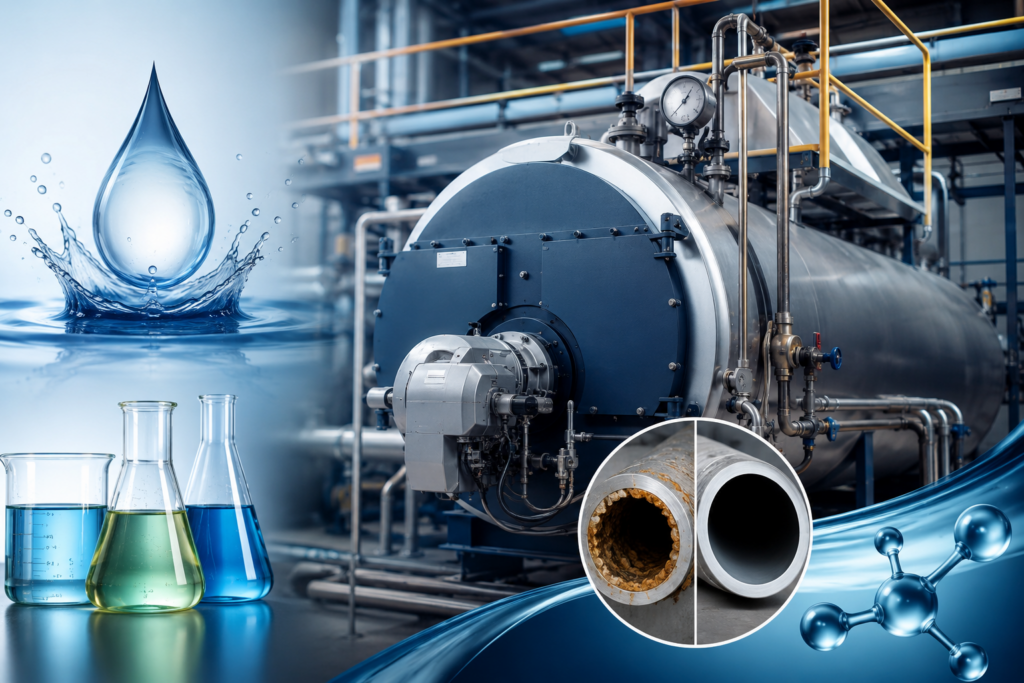
In industries that rely on steam generation, maintaining boiler performance is essential for operational efficiency, safety, and cost control. Whether in manufacturing, power generation, food processing, oil and gas, or chemical plants, effective Industrial Boiler Water Treatment plays a crucial role in ensuring reliable operations. Poor water quality can lead to scale formation, corrosion, reduced heat transfer efficiency, increased energy consumption, and unexpected equipment failures. This is why businesses across various sectors invest in professional Boiler Water Treatment Solutions to protect their boiler systems and maximize productivity. Understanding Boiler Water Treatment Boiler water treatment is the process of conditioning and treating water before it enters the boiler system. The primary objective is to remove impurities, control dissolved gases, prevent scale buildup, and minimize corrosion. Water naturally contains minerals such as calcium, magnesium, silica, and dissolved oxygen. When untreated water is heated inside a boiler, these contaminants can create deposits on heat transfer surfaces, reducing system efficiency and causing significant operational issues. Modern boiler water treatment chemicals are specifically formulated to address these challenges and maintain optimal boiler performance. The Impact of Poor Boiler Water Quality Without proper treatment, industrial boilers can experience several costly problems: Scale Formation Mineral deposits accumulate on boiler surfaces, creating an insulating layer that reduces heat transfer. Even a thin layer of scale can significantly increase fuel consumption and operating costs. Corrosion Damage Dissolved oxygen and carbon dioxide can corrode boiler tubes, pipes, and internal components. Corrosion weakens the system and may result in leaks, downtime, and expensive repairs. Reduced Energy Efficiency When boilers operate under poor water conditions, they require more energy to generate the same amount of steam. This directly impacts production costs and sustainability goals. Increased Maintenance Costs Untreated boilers often require frequent cleaning, repairs, and component replacements, increasing maintenance expenses and reducing operational reliability. Benefits of Industrial Boiler Water Treatment Implementing a comprehensive Industrial Boiler Water Treatment program delivers numerous advantages: Enhanced Boiler Efficiency Proper treatment prevents scale and deposits, allowing efficient heat transfer and reducing fuel consumption. Extended Equipment Lifespan Controlling corrosion and mineral buildup helps extend the service life of boilers, pipes, heat exchangers, and related equipment. Lower Operating Costs Reduced energy consumption, fewer breakdowns, and minimized maintenance requirements contribute to significant cost savings. Improved Steam Quality Consistent water treatment ensures high-quality steam production, which is critical for many industrial applications. Regulatory Compliance Many industries must comply with environmental and operational standards. Effective water treatment helps meet these requirements while improving overall plant performance. Key Components of Boiler Water Conditioning Effective boiler water conditioning involves several treatment processes designed to maintain water quality throughout the system. Water Softening Water softeners remove calcium and magnesium ions that contribute to scale formation. Oxygen Scavengers Specialized chemicals eliminate dissolved oxygen, reducing corrosion risks within the boiler system. pH Control Maintaining proper pH levels protects metal surfaces from corrosion and ensures optimal chemical performance. Scale Inhibitors Advanced boiler water treatment chemicals prevent mineral deposits from adhering to heat transfer surfaces. Condensate Treatment Treating condensate return systems helps protect piping and equipment from corrosion while improving overall water quality. Choosing the Right Boiler Water Treatment Solutions Selecting the appropriate Boiler Water Treatment Solutions depends on several factors, including boiler design, operating pressure, water source quality, and industry requirements. Working with experienced water treatment professionals ensures that the correct chemical formulations and monitoring programs are implemented. Reliable Chemical Suppliers in UAE provide customized treatment programs, technical support, water analysis, and high-performance chemical products tailored to industrial applications. Industries operating in the UAE face unique challenges due to varying water quality and demanding environmental conditions. Partnering with trusted Chemical Suppliers in UAE helps organizations maintain efficient boiler operations while reducing operational risks. Why Industries in UAE Prioritize Boiler Water Treatment As industrial growth continues across the UAE, companies are increasingly focusing on energy efficiency, sustainability, and equipment reliability. Effective Industrial Boiler Water Treatment supports these objectives by reducing fuel consumption, minimizing downtime, and improving overall plant performance. Modern Boiler Water Treatment Solutions enable businesses to achieve greater operational efficiency while extending equipment life and lowering total operating costs. By utilizing advanced boiler water conditioning techniques and high-quality boiler water treatment chemicals, industries can protect critical assets and maintain uninterrupted production. Conclusion Boilers are vital assets in many industrial operations, making proper water treatment a necessity rather than an option. Effective Industrial Boiler Water Treatment prevents scale formation, controls corrosion, improves energy efficiency, and extends equipment lifespan. Investing in professional Boiler Water Treatment Solutions and sourcing quality products from trusted Chemical Suppliers in UAE ensures long-term reliability, reduced operational costs, and enhanced industrial productivity. For industries seeking sustainable and efficient operations, comprehensive boiler water conditioning programs and premium boiler water treatment chemicals remain essential components of successful boiler management.
Why Boiler Water Treatment Is Critical for Industrial Efficiency Read Post »