cooling water treatment

Swimming Pool Water Treatment: Essential Chemicals, Benefits, and Best Practices

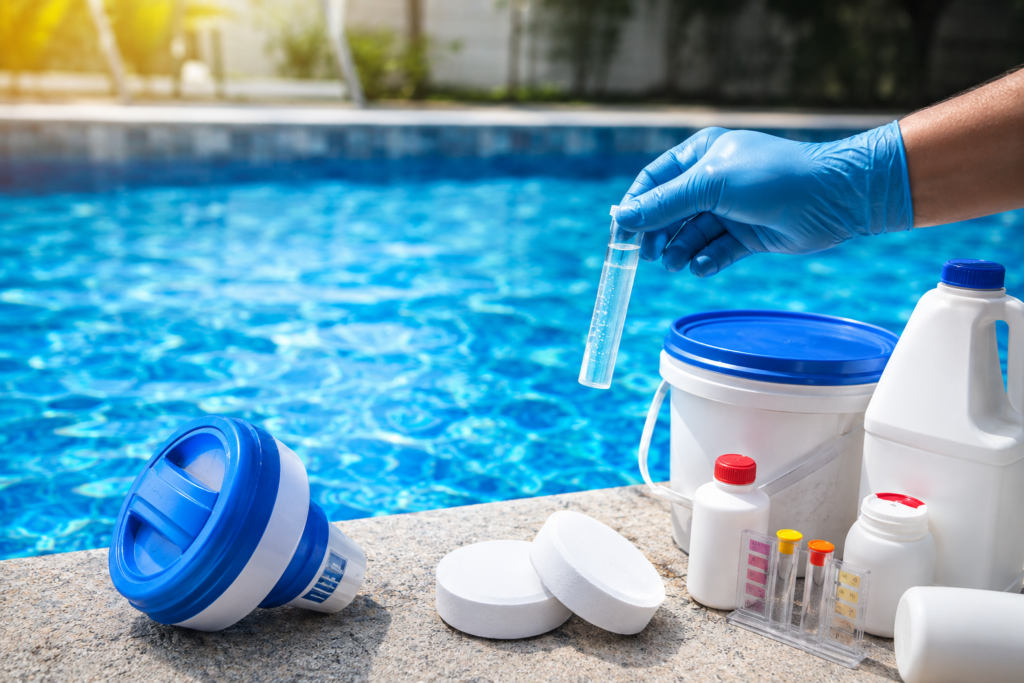
A swimming pool should provide a clean, safe, and comfortable environment for swimmers. However, maintaining high-quality pool water requires more than regular cleaning and filtration. Proper swimming pool water treatment is essential to control microorganisms, algae, suspended particles, unpleasant odors, and chemical imbalances. The right swimming pool chemicals help maintain water quality, improve sanitation, protect pool equipment, and create better swimming conditions. Whether the pool is located in a residential property, hotel, resort, sports facility, or commercial recreation center, a well-planned chemical treatment program is essential for long-term pool maintenance. Why Is Swimming Pool Water Treatment Important? Pool water is constantly exposed to contaminants. Swimmers introduce sweat, body oils, cosmetics, and other organic materials, while dust, leaves, microorganisms, and environmental pollutants can also enter the water. Without proper treatment, these contaminants can cause cloudy water, algae growth, unpleasant smells, and microbial contamination. An effective swimming pool water treatment process helps to: Regular water testing and appropriate chemical dosing are therefore important components of effective pool management. Essential Swimming Pool Chemicals for Water Treatment Different chemicals perform specific functions in maintaining pool water quality. The right combination depends on factors such as pool size, water source, usage frequency, temperature, and existing water conditions. 1. Chlorine and Pool Sanitizers Chlorine is one of the most commonly used sanitizers for swimming pools. It helps control bacteria, viruses, and other microorganisms that can enter the water. Chlorine is available in different forms, including liquid, granular, and tablet-based products. Maintaining the appropriate sanitizer level is important for effective disinfection while supporting swimmer comfort. 2. pH Balancing Chemicals Maintaining the correct pH is a fundamental part of swimming pool water treatment. If the pH is too low, pool water can become corrosive and may contribute to irritation or equipment damage. If the pH is too high, sanitizer effectiveness can be reduced and mineral scaling may occur. pH increasers and pH reducers are commonly used to keep the water within the recommended balance. 3. Algaecides Algae can develop when pool water is not properly sanitized or circulated. Warm temperatures, sunlight, and inadequate chemical treatment can encourage algae growth. Algaecides are used as part of pool maintenance programs to control and prevent algae. They can be particularly useful when pools experience recurring algae-related issues. 4. Coagulants and Flocculants Sometimes, very small particles remain suspended in pool water even after filtration. This can result in cloudy or dull-looking water. Coagulants and flocculants help gather fine particles into larger particles, making them easier to remove through filtration or settling. Their use should be based on the pool’s water condition and treatment requirements. 5. Alkalinity and Calcium Hardness Chemicals Water balance also involves total alkalinity and calcium hardness. Alkalinity helps stabilize pH and reduce sudden fluctuations, while calcium hardness management helps minimize the risk of scaling or corrosive water conditions. Maintaining appropriate water chemistry helps support both water quality and the long-term condition of pool surfaces and equipment. How Does Swimming Pool Water Treatment Work? Effective pool treatment involves more than simply adding chemicals to the water. Chemical treatment should work together with testing, filtration, circulation, and regular cleaning. Step 1: Test the Pool Water Regular water testing helps determine the current chemical condition of the pool. Parameters such as pH, sanitizer concentration, alkalinity, and calcium hardness should be monitored based on the pool’s requirements. Testing provides the information needed to determine whether chemical adjustments are necessary. Step 2: Balance the Water Chemistry Once the water has been tested, suitable pool treatment chemicals can be used to correct imbalances. Proper water balance helps improve sanitizer performance while reducing the risk of scaling, corrosion, and other water-related problems. Step 3: Sanitize the Pool Sanitization is essential for controlling microorganisms. Chlorine or another suitable sanitation method can be selected depending on the pool type and operating requirements. Consistent sanitization helps maintain hygienic swimming conditions. Step 4: Control Algae and Cloudiness If algae or cloudy water is detected, additional treatment may be required. Suitable algaecides, clarifiers, coagulants, or flocculants can be incorporated depending on the cause of the problem. Step 5: Maintain Filtration and Circulation Even the best swimming pool chemicals cannot compensate for poor circulation or an improperly maintained filtration system. Filters, pumps, skimmers, and circulation systems should be inspected and maintained regularly to ensure that treated water is distributed and contaminants are removed effectively. Benefits of Using the Right Pool Treatment Chemicals Using appropriate pool treatment chemicals as part of a properly managed treatment program provides several benefits. Improved Water Clarity Proper chemical balance and filtration help remove contaminants and suspended particles, resulting in cleaner and clearer water. Better Pool Hygiene Sanitizers help control microorganisms that can enter the pool through swimmers and environmental exposure. Algae Prevention Regular treatment helps reduce the conditions that encourage algae growth and can support better overall pool appearance. Protection of Pool Equipment Balanced water chemistry helps minimize corrosion, scaling, and other issues that can affect pumps, filters, pipes, heaters, and pool surfaces. Better Swimmer Comfort Maintaining appropriate water chemistry can help reduce issues associated with improperly balanced water, including potential eye and skin irritation. Reduced Maintenance Problems A consistent chemical treatment program can help prevent major water quality problems before they become more difficult and expensive to correct. Best Practices for Swimming Pool Chemical Management Proper chemical management is essential for achieving consistent results. Pool operators and maintenance teams should follow a systematic approach rather than adding chemicals based on appearance alone. Some important practices include: Chemical quantities should always be determined based on actual water test results and the specific product instructions. How to Choose the Right Pool Chemicals Supplier Choosing a reliable pool chemicals supplier is important for maintaining consistent water treatment performance. Pool operators should consider product quality, availability, technical support, and suitability for their specific application. A dependable supplier should ideally provide: Working with an experienced supplier can make it easier to develop a practical chemical treatment program based on pool size, water conditions, usage levels, and maintenance requirements. Why Regular

Swimming Pool Water Treatment: Essential Chemicals, Benefits, and Best Practices Read Post »

cooling water treatment

Effective Cooling Water Treatment Solutions for Reliable Industrial Operations

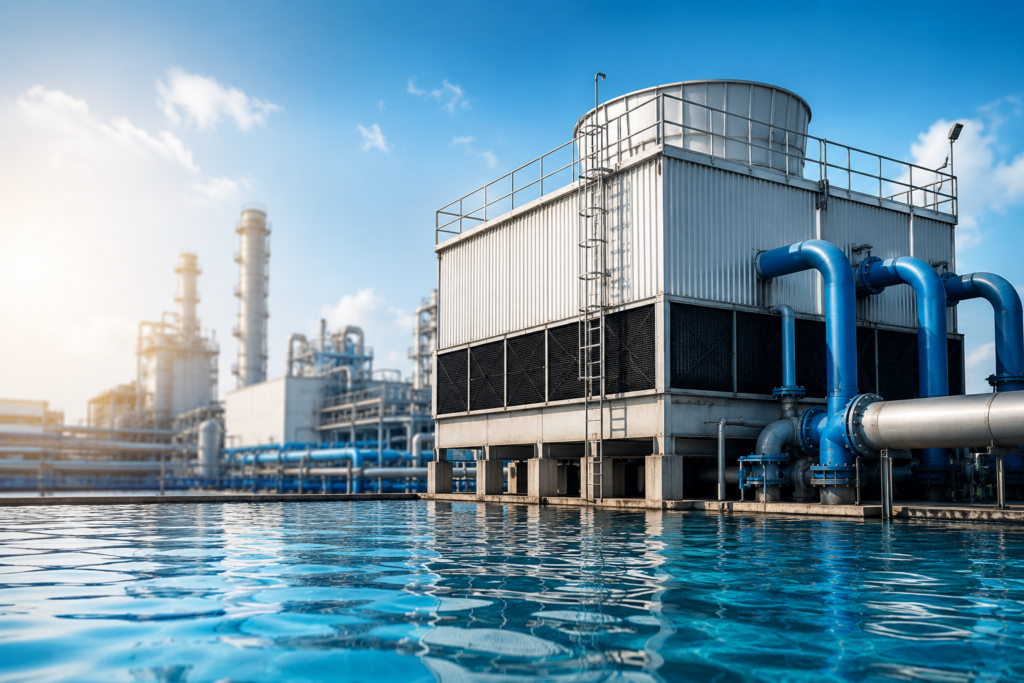
Cooling systems are essential for maintaining stable operating temperatures in industrial facilities, commercial buildings, manufacturing plants, power stations, and HVAC applications. However, the continuous circulation of water through these systems can lead to scale formation, corrosion, microbial growth, and fouling. An effective cooling water treatment program is therefore essential for protecting equipment, improving heat transfer efficiency, and ensuring reliable system performance. In regions such as the UAE, where high temperatures increase the demand placed on cooling systems, maintaining proper water quality becomes even more important. The right combination of water treatment processes, monitoring, and specialized chemicals can significantly improve cooling system efficiency and equipment life. What Is Cooling Water Treatment? Cooling water treatment is the process of managing the chemical, biological, and physical quality of water used in cooling systems. The primary objective is to prevent problems that can reduce system efficiency or damage expensive equipment. Cooling water continuously interacts with pipes, heat exchangers, condensers, and cooling tower components. As water evaporates, dissolved minerals become more concentrated. Without proper treatment, these minerals can form deposits on heat-transfer surfaces. A comprehensive treatment program typically focuses on controlling: By controlling these issues, businesses can maintain efficient heat transfer while reducing maintenance requirements and unexpected equipment failures. Importance of Cooling Water Treatment Chemicals The use of appropriate cooling water treatment chemicals plays a major role in maintaining system cleanliness and operational stability. Different cooling systems require different chemical programs depending on factors such as water quality, system design, operating temperature, and environmental conditions. Common treatment solutions include scale inhibitors, corrosion inhibitors, biocides, dispersants, and other specialized formulations. Scale inhibitors help prevent minerals such as calcium from forming hard deposits on equipment surfaces. Corrosion inhibitors create protective conditions that reduce metal deterioration, while biocides help control bacteria, algae, and other biological growth. Selecting the correct cooling water treatment chemicals can help industries achieve better system performance while reducing the frequency of cleaning, repairs, and equipment replacement. Why Cooling Tower Water Treatment Is Essential Cooling towers continuously circulate large volumes of water and are exposed to the surrounding environment. Dust, airborne contaminants, microorganisms, and dissolved minerals can enter or accumulate within the system. Effective cooling tower water treatment helps maintain water quality and protects critical components from operational problems. Without proper treatment, cooling towers may experience scale deposits that reduce heat-transfer efficiency. Biological growth can also create biofilms on surfaces, while corrosion can gradually damage pipes and other system components. A well-managed cooling tower water treatment program should combine chemical treatment with regular monitoring and appropriate system maintenance. Important water parameters may need to be monitored according to the system’s operating requirements, including pH, conductivity, mineral concentration, and microbial activity. Role of Cooling Tower Chemicals Specialized cooling tower chemicals are designed to address the challenges associated with recirculating cooling water systems. The selection and dosage of chemicals should be based on the specific operating conditions of each system rather than using a one-size-fits-all approach. An effective chemical treatment program may include: Scale Control: Helps minimize mineral deposits that can restrict water flow and reduce heat-transfer performance. Corrosion Control: Helps protect metal components, pipelines, and heat exchangers against deterioration. Microbiological Control: Helps manage bacteria, algae, and other microorganisms that can contribute to biofouling. Deposit Control: Helps keep suspended particles dispersed and reduces the accumulation of sludge on system surfaces. Using suitable cooling tower chemicals with proper monitoring can improve system reliability and support more efficient cooling operations. Industrial Cooling Water Treatment for Better Performance Large-scale facilities often depend heavily on cooling systems for continuous production and process stability. This makes industrial cooling water treatment an important part of preventive maintenance and operational management. Industries such as manufacturing, petrochemicals, power generation, food processing, hospitality, and commercial HVAC operations may all require customized cooling water treatment programs. Effective industrial cooling water treatment can provide several benefits, including improved heat-transfer efficiency, reduced scaling and corrosion, lower maintenance requirements, longer equipment service life, and more consistent system performance. A customized treatment strategy is particularly important because industrial systems can differ significantly in water quality, operating temperatures, circulation rates, equipment materials, and environmental exposure. Challenges of Cooling Water Systems in the UAE The UAE’s climate creates demanding operating conditions for cooling towers and industrial cooling systems. High ambient temperatures can increase cooling requirements, while evaporation can contribute to higher concentrations of dissolved minerals in recirculating water. These conditions make professional water management particularly important. Businesses should regularly assess their cooling systems and select appropriate treatment solutions based on water analysis and operating conditions. Working with an experienced cooling water chemical supplier UAE businesses can rely on helps ensure access to suitable chemical treatment solutions and technical support. The right supplier can assist in developing treatment programs designed to address scaling, corrosion, fouling, and microbiological challenges. How to Choose a Cooling Water Chemical Supplier in the UAE When selecting a cooling water chemical supplier UAE, businesses should consider more than just the availability of chemicals. A reliable supplier should understand industrial water systems and be capable of recommending solutions based on actual operating requirements. Important factors include technical expertise, product quality, water analysis capabilities, customized treatment programs, ongoing system monitoring, and responsive technical support. Choosing the right treatment partner can help businesses optimize chemical usage, improve system efficiency, and protect valuable cooling equipment over the long term. Conclusion Effective cooling water management is essential for maintaining reliable and efficient cooling systems. From controlling scale and corrosion to preventing microbial growth and deposits, a properly designed treatment program can protect equipment and support consistent industrial operations. For businesses looking for reliable cooling water treatment, high-quality cooling water treatment chemicals, effective cooling tower water treatment, specialized cooling tower chemicals, and customized industrial cooling water treatment solutions in the UAE, Hydroguardme provides professional water treatment solutions designed to meet diverse industrial requirements. As a trusted cooling water chemical supplier UAE, Hydroguardme supports businesses with effective chemical treatment solutions that help improve system performance, protect equipment, and maintain long-term operational efficiency.

Effective Cooling Water Treatment Solutions for Reliable Industrial Operations Read Post »

Scroll to Top