Swimming Pool Water Treatment

water-treatment solutions in the UAE

How to Choose the Right Industrial Chemical Supplier in UAE

Choosing the right industrial chemical supplier is an important decision for businesses operating in manufacturing, water treatment, hospitality, construction, oil and gas, and other industrial sectors. The quality of chemicals, consistency of supply, technical support, and proper documentation can directly affect operational efficiency, safety, and maintenance costs. Rather than selecting a supplier based only on price, businesses should evaluate several factors before entering into a long-term supply agreement. 1. Check Product Quality and Consistency Chemical quality should be one of the first considerations when evaluating a supplier. Variations in chemical concentration, purity, or formulation can affect industrial processes and treatment performance. Ask potential suppliers about: A reliable supplier should be able to provide appropriate technical documentation for the chemicals being supplied. For certain water-treatment applications in the UAE, technical information, COA, SDS, shelf-life details, and manufacturing or delivery documentation may be relevant to procurement and approval processes. 2. Verify Safety Data Sheets and Documentation Chemical handling requires accurate safety information. Before purchasing, request the latest Safety Data Sheet (SDS/MSDS) for every relevant product. An SDS provides important information about hazards, handling, storage, emergency measures, composition, and other safety considerations. UAE authorities also require MSDS documentation for certain hazardous chemical import and approval processes. A professional supplier should be able to provide documentation without unnecessary delays. 3. Consider the Supplier’s Industry Experience Different industries have different chemical requirements. A supplier experienced in industrial water treatment, for example, should understand issues such as scaling, corrosion, fouling, and microbiological control. Before choosing a supplier, check whether they understand your: For water treatment applications, selecting chemicals based on the actual system and water analysis is generally more effective than choosing a product simply because it is widely used. 4. Evaluate Supply Reliability Consistent availability is particularly important for industrial operations. A chemical shortage can interrupt production, affect water-treatment programs, or increase emergency procurement costs. When evaluating an industrial chemical supplier UAE, ask about: A supplier with dependable sourcing and inventory planning can provide greater stability for long-term operations. 5. Look for Technical Support Chemical supply should ideally include technical assistance, particularly when chemicals are being used for complex industrial applications. A capable supplier should be able to help customers understand product selection, dosage, compatibility, storage, and application requirements. For water-treatment chemicals, technical support can also involve reviewing water analysis and existing treatment programs. This application-focused approach can help businesses avoid using unsuitable chemicals or unnecessarily high dosages. 6. Check Regulatory and Compliance Requirements Chemical procurement in the UAE may involve specific licensing, documentation, transportation, storage, and environmental requirements depending on the chemical and its application. Businesses should verify that the supplier can provide the documentation required for their particular products and applications. UAE regulations emphasize product safety and conformity with applicable technical regulations and standards. For imported chemicals, additional documentation such as invoices, bills of lading, environmental permits, and MSDS may be required depending on the emirate and chemical classification. 7. Don’t Choose Based on Price Alone The cheapest chemical may not always be the most economical option. Product concentration, dosage requirements, performance, shelf life, delivery costs, and maintenance impact should all be considered. For example, a higher-quality treatment chemical that achieves the required result at a lower dosage may provide better overall value than a cheaper product requiring significantly higher consumption. The right approach is to compare the total cost of treatment rather than simply comparing the price per container. 8. Request Samples or Conduct a Trial Before committing to large-volume purchases, consider testing the product under actual operating conditions. A trial can help determine: Testing a sample against your own specifications can provide greater confidence before establishing a long-term supply arrangement. 9. Assess Customer Service and Communication Good communication is essential when dealing with industrial chemicals. Your supplier should respond promptly to technical questions, documentation requests, quotations, delivery updates, and product concerns. A supplier who understands your requirements and maintains clear communication can become a long-term business partner rather than simply a product vendor. Conclusion Choosing the right industrial chemical supplier UAE requires more than comparing quotations. Businesses should consider product quality, technical documentation, safety, regulatory requirements, supply reliability, technical support, and overall treatment performance. A supplier that combines dependable chemical supply with application-specific technical support can help businesses maintain consistent operations, improve water-treatment performance, and manage chemical-related costs more effectively. For businesses seeking reliable industrial chemical and water-treatment solutions in the UAE, Hydroguardme supports a range of industrial requirements with a focus on quality, dependable supply, and application-based solutions.

How to Choose the Right Industrial Chemical Supplier in UAE Read Post »
Choosing the Right Water Treatment Chemicals for Industrial Systems in the UAE

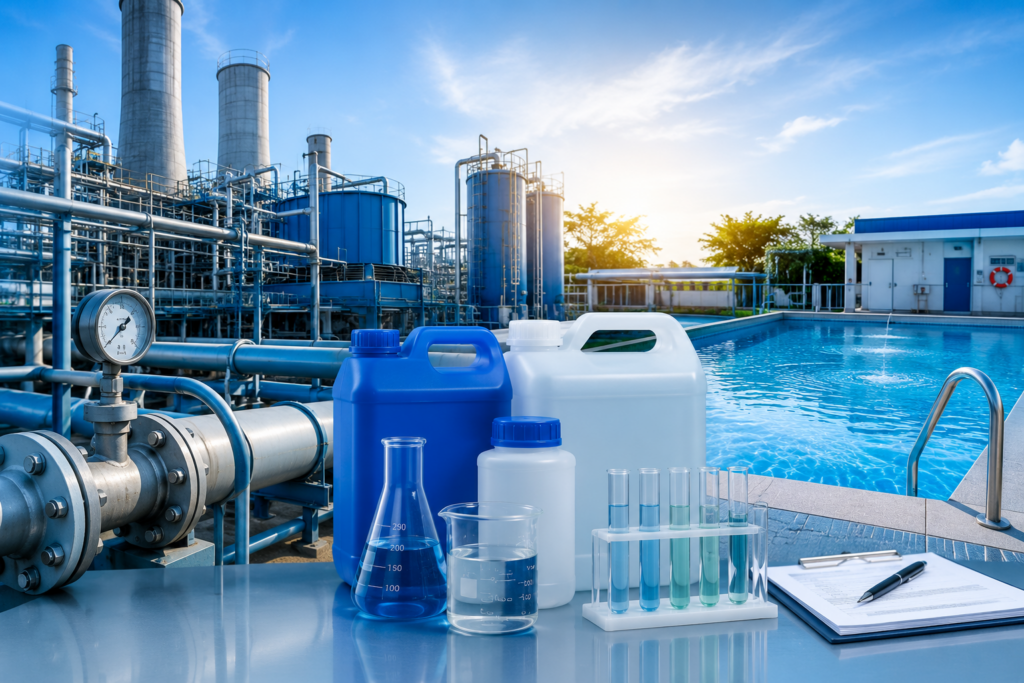
Water plays a critical role in many industrial and commercial operations across the UAE. From cooling systems and boilers to swimming pools and closed-loop circuits, maintaining the correct water chemistry is essential for protecting equipment and ensuring efficient operation. Selecting suitable treatment chemicals should not be based solely on the type of system. Factors such as water quality, operating temperature, equipment materials, circulation rates, and existing deposits can all influence the treatment approach. Why Industrial Water Treatment Matters Untreated water can cause several operational problems, including: A properly designed treatment program helps control these risks and supports the long-term performance of industrial water systems. Selecting an Industrial Chemical Supplier UAE Choosing an experienced Industrial Chemical Supplier UAE businesses can rely on is an important part of developing an effective treatment program. A professional supplier should understand the application and recommend chemicals according to the actual water conditions. Industrial facilities may require different treatment products for cooling towers, boilers, chilled-water systems, process water, and other applications. Technical support and regular monitoring can also help ensure that chemicals are being used effectively. Managing Swimming Pool Water Quality Maintaining clean and balanced pool water requires consistent chemical treatment. Swimming Pool Chemicals UAE solutions can help control microorganisms, algae, scaling, and undesirable changes in water chemistry. Regular testing of pH, disinfectant levels, alkalinity, and other relevant parameters helps determine whether chemical dosing needs to be adjusted. This approach can improve water quality while helping protect pool surfaces and equipment. Closed System Water Treatment and Corrosion Control Even systems with limited water replacement can experience corrosion and deposit-related problems. A suitable closed system water treatment program can help maintain water chemistry and protect pipes, heat exchangers, chillers, and other components. Because these systems often operate continuously, small chemistry changes can gradually create significant problems. Periodic testing allows operators to identify changes early and take corrective action. Choosing Water Treatment Chemicals Dubai Businesses Need Different water systems require different chemical solutions. Companies searching for water treatment chemicals Dubai can benefit from selecting products based on water analysis and system requirements. Depending on the application, treatment may involve corrosion inhibitors, scale control agents, biocides, disinfectants, or other specialized chemicals. Correct dosage is just as important as chemical selection, as excessive or insufficient treatment can both create operational challenges. Protecting Boilers With Proper Chemical Treatment Boiler systems require careful control of water chemistry to minimize scale and corrosion. Boiler Water Treatment Chemicals can help maintain suitable operating conditions and support efficient heat transfer. Treatment programs may include chemicals designed to control dissolved oxygen, hardness, alkalinity, corrosion, and scale. However, the correct combination should be determined according to the boiler system and water characteristics. The Role of Industrial Water Testing Chemical treatment works best when supported by regular analysis. Industrial Water Testing Services UAE can provide valuable information about changes in water chemistry and help identify potential issues. Depending on the system, testing may include parameters such as pH, conductivity, hardness, alkalinity, chloride, dissolved solids, and microbiological activity. Test results can then be used to adjust the treatment program and maintain more consistent system performance. Building a Long-Term Water Management Strategy Effective water treatment is not simply about adding chemicals to a system. It involves understanding the water source, identifying potential risks, selecting appropriate treatment products, maintaining correct dosing, and carrying out regular testing. For industrial and commercial facilities in the UAE, a structured water management program can help protect equipment, improve operational reliability, and reduce avoidable maintenance costs. Hydroguardme provides water treatment solutions and chemical support for industrial and commercial applications, helping businesses manage water quality across different systems and operational environments.

Choosing the Right Water Treatment Chemicals for Industrial Systems in the UAE Read Post »

Domestic Water Treatment: A Complete Guide to Safe and Reliable Water Purification

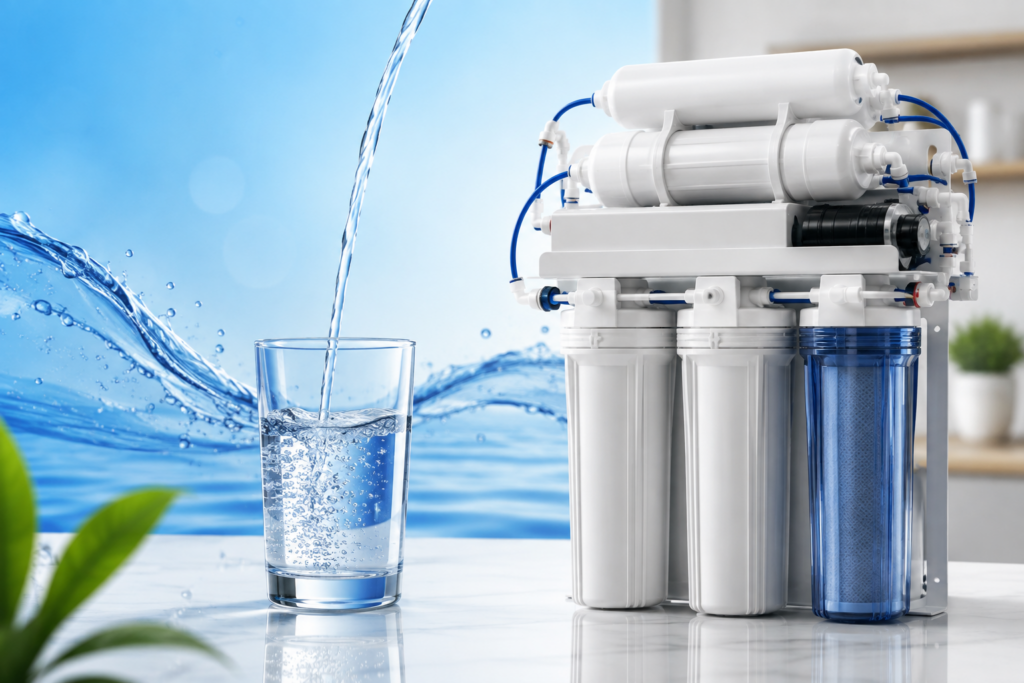
Clean and safe water is essential for every household. Whether water comes from a municipal supply, borewell, tanker, or another source, it may contain suspended particles, dissolved minerals, microorganisms, or other contaminants that affect its quality. This is where domestic water treatment and purification systems play an important role. Modern water treatment solutions are designed to improve water quality and make it suitable for drinking, cooking, bathing, and other household applications. Choosing the right treatment process depends on the source of water, the type of contaminants present, and the intended use. What Is Domestic Water Treatment? Domestic water treatment refers to the processes and systems used to improve the quality of water supplied to homes and residential properties. Depending on the water source and quality, treatment may involve filtration, sediment removal, activated carbon treatment, disinfection, membrane filtration, or other purification technologies. The main objective is to reduce unwanted contaminants while maintaining water that is suitable for its intended household use. Why Is Drinking Water Treatment Important? Drinking water treatment focuses specifically on making water safer for human consumption. Water can sometimes contain microorganisms, sediments, unpleasant odours, chlorine-related tastes, dissolved salts, or other impurities. An appropriate treatment system can help address these issues and improve the overall quality and acceptability of drinking water. Treatment requirements vary depending on the source and existing water quality, so water testing can be useful before selecting a purification system. Understanding Potable Water Treatment Potable water treatment is the treatment of water intended for human consumption. The treatment process may include several stages, depending on the characteristics of the incoming water. Common treatment stages can include: A properly designed potable water treatment system should be selected according to the actual water quality rather than relying on a one-size-fits-all approach. Domestic Water Purification for Different Water Sources Different water sources can have very different treatment requirements. Municipal water may already undergo centralized treatment but can still require additional filtration at the point of use. Borewell water may have higher levels of hardness, dissolved minerals, iron, or other naturally occurring substances. Similarly, tanker or stored water can require filtration and disinfection depending on its quality and storage conditions. This makes domestic water purification a source-specific process. Testing the water helps determine which treatment technologies are appropriate and prevents unnecessary treatment. Common Water Purification Technologies Several technologies can be incorporated into residential water treatment systems. Sediment Filtration Sediment filters capture suspended particles such as sand, dirt, rust, and other visible impurities. They are often used as an initial treatment stage to protect downstream equipment. Activated Carbon Filtration Activated carbon is commonly used to improve taste and odour and reduce certain organic contaminants. It can also help reduce residual chlorine in appropriately designed systems. Reverse Osmosis Reverse osmosis uses a semi-permeable membrane to reduce many dissolved substances from water. It is particularly useful when water contains elevated levels of total dissolved solids or specific dissolved contaminants. Ultraviolet Disinfection UV systems use ultraviolet light to help control microorganisms in water. They are often used as part of a broader treatment system rather than as a replacement for physical filtration. Water Softening Where hardness is a significant concern, water softeners can help reduce calcium and magnesium ions responsible for scale formation. This can be particularly useful for protecting household plumbing, appliances, and fixtures. How to Choose Water Purification Products The right water purification products should be selected based on water quality, household demand, treatment objectives, and maintenance requirements. Before purchasing a system, consider: Benefits of a Properly Designed Domestic Water Treatment System A suitable treatment system can provide several benefits for residential users. It can improve water taste and odour, reduce unwanted particles, address specific contaminants, and provide more consistent water quality for drinking and household applications. Effective treatment can also help protect plumbing fixtures and appliances when problems such as sediment, hardness, or scale are present. However, water treatment should always be based on the actual quality of the incoming water. Over-treatment can increase operating costs, while inadequate treatment may fail to address important contaminants. Conclusion Reliable domestic water treatment is an important part of maintaining safe and high-quality water in residential environments. From drinking water treatment and potable water treatment to filtration, disinfection, and domestic water purification, the right combination of technologies can help address different water quality challenges. For businesses and homeowners looking for professional water treatment solutions, Hydroguardme provides solutions designed around specific water treatment requirements and applications. Learn more about domestic and potable water treatment systems through their dedicated water treatment solutions.

Domestic Water Treatment: A Complete Guide to Safe and Reliable Water Purification Read Post »

Swimming Pool Water Treatment: Essential Chemicals, Benefits, and Best Practices

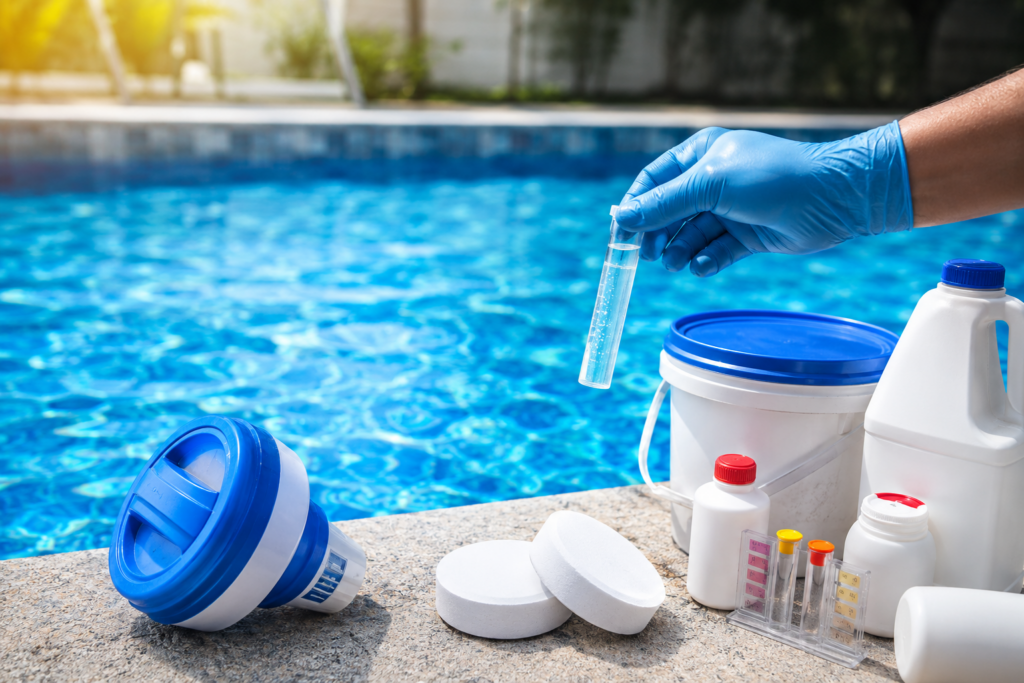
A swimming pool should provide a clean, safe, and comfortable environment for swimmers. However, maintaining high-quality pool water requires more than regular cleaning and filtration. Proper swimming pool water treatment is essential to control microorganisms, algae, suspended particles, unpleasant odors, and chemical imbalances. The right swimming pool chemicals help maintain water quality, improve sanitation, protect pool equipment, and create better swimming conditions. Whether the pool is located in a residential property, hotel, resort, sports facility, or commercial recreation center, a well-planned chemical treatment program is essential for long-term pool maintenance. Why Is Swimming Pool Water Treatment Important? Pool water is constantly exposed to contaminants. Swimmers introduce sweat, body oils, cosmetics, and other organic materials, while dust, leaves, microorganisms, and environmental pollutants can also enter the water. Without proper treatment, these contaminants can cause cloudy water, algae growth, unpleasant smells, and microbial contamination. An effective swimming pool water treatment process helps to: Regular water testing and appropriate chemical dosing are therefore important components of effective pool management. Essential Swimming Pool Chemicals for Water Treatment Different chemicals perform specific functions in maintaining pool water quality. The right combination depends on factors such as pool size, water source, usage frequency, temperature, and existing water conditions. 1. Chlorine and Pool Sanitizers Chlorine is one of the most commonly used sanitizers for swimming pools. It helps control bacteria, viruses, and other microorganisms that can enter the water. Chlorine is available in different forms, including liquid, granular, and tablet-based products. Maintaining the appropriate sanitizer level is important for effective disinfection while supporting swimmer comfort. 2. pH Balancing Chemicals Maintaining the correct pH is a fundamental part of swimming pool water treatment. If the pH is too low, pool water can become corrosive and may contribute to irritation or equipment damage. If the pH is too high, sanitizer effectiveness can be reduced and mineral scaling may occur. pH increasers and pH reducers are commonly used to keep the water within the recommended balance. 3. Algaecides Algae can develop when pool water is not properly sanitized or circulated. Warm temperatures, sunlight, and inadequate chemical treatment can encourage algae growth. Algaecides are used as part of pool maintenance programs to control and prevent algae. They can be particularly useful when pools experience recurring algae-related issues. 4. Coagulants and Flocculants Sometimes, very small particles remain suspended in pool water even after filtration. This can result in cloudy or dull-looking water. Coagulants and flocculants help gather fine particles into larger particles, making them easier to remove through filtration or settling. Their use should be based on the pool’s water condition and treatment requirements. 5. Alkalinity and Calcium Hardness Chemicals Water balance also involves total alkalinity and calcium hardness. Alkalinity helps stabilize pH and reduce sudden fluctuations, while calcium hardness management helps minimize the risk of scaling or corrosive water conditions. Maintaining appropriate water chemistry helps support both water quality and the long-term condition of pool surfaces and equipment. How Does Swimming Pool Water Treatment Work? Effective pool treatment involves more than simply adding chemicals to the water. Chemical treatment should work together with testing, filtration, circulation, and regular cleaning. Step 1: Test the Pool Water Regular water testing helps determine the current chemical condition of the pool. Parameters such as pH, sanitizer concentration, alkalinity, and calcium hardness should be monitored based on the pool’s requirements. Testing provides the information needed to determine whether chemical adjustments are necessary. Step 2: Balance the Water Chemistry Once the water has been tested, suitable pool treatment chemicals can be used to correct imbalances. Proper water balance helps improve sanitizer performance while reducing the risk of scaling, corrosion, and other water-related problems. Step 3: Sanitize the Pool Sanitization is essential for controlling microorganisms. Chlorine or another suitable sanitation method can be selected depending on the pool type and operating requirements. Consistent sanitization helps maintain hygienic swimming conditions. Step 4: Control Algae and Cloudiness If algae or cloudy water is detected, additional treatment may be required. Suitable algaecides, clarifiers, coagulants, or flocculants can be incorporated depending on the cause of the problem. Step 5: Maintain Filtration and Circulation Even the best swimming pool chemicals cannot compensate for poor circulation or an improperly maintained filtration system. Filters, pumps, skimmers, and circulation systems should be inspected and maintained regularly to ensure that treated water is distributed and contaminants are removed effectively. Benefits of Using the Right Pool Treatment Chemicals Using appropriate pool treatment chemicals as part of a properly managed treatment program provides several benefits. Improved Water Clarity Proper chemical balance and filtration help remove contaminants and suspended particles, resulting in cleaner and clearer water. Better Pool Hygiene Sanitizers help control microorganisms that can enter the pool through swimmers and environmental exposure. Algae Prevention Regular treatment helps reduce the conditions that encourage algae growth and can support better overall pool appearance. Protection of Pool Equipment Balanced water chemistry helps minimize corrosion, scaling, and other issues that can affect pumps, filters, pipes, heaters, and pool surfaces. Better Swimmer Comfort Maintaining appropriate water chemistry can help reduce issues associated with improperly balanced water, including potential eye and skin irritation. Reduced Maintenance Problems A consistent chemical treatment program can help prevent major water quality problems before they become more difficult and expensive to correct. Best Practices for Swimming Pool Chemical Management Proper chemical management is essential for achieving consistent results. Pool operators and maintenance teams should follow a systematic approach rather than adding chemicals based on appearance alone. Some important practices include: Chemical quantities should always be determined based on actual water test results and the specific product instructions. How to Choose the Right Pool Chemicals Supplier Choosing a reliable pool chemicals supplier is important for maintaining consistent water treatment performance. Pool operators should consider product quality, availability, technical support, and suitability for their specific application. A dependable supplier should ideally provide: Working with an experienced supplier can make it easier to develop a practical chemical treatment program based on pool size, water conditions, usage levels, and maintenance requirements. Why Regular

Swimming Pool Water Treatment: Essential Chemicals, Benefits, and Best Practices Read Post »

cooling water treatment

Effective Cooling Water Treatment Solutions for Reliable Industrial Operations

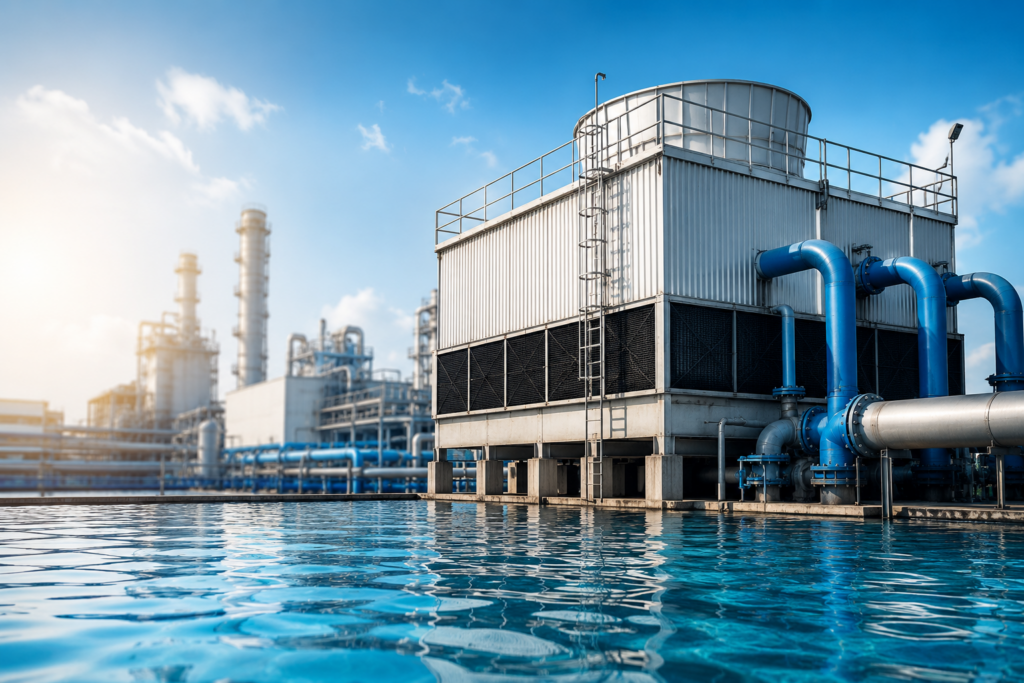
Cooling systems are essential for maintaining stable operating temperatures in industrial facilities, commercial buildings, manufacturing plants, power stations, and HVAC applications. However, the continuous circulation of water through these systems can lead to scale formation, corrosion, microbial growth, and fouling. An effective cooling water treatment program is therefore essential for protecting equipment, improving heat transfer efficiency, and ensuring reliable system performance. In regions such as the UAE, where high temperatures increase the demand placed on cooling systems, maintaining proper water quality becomes even more important. The right combination of water treatment processes, monitoring, and specialized chemicals can significantly improve cooling system efficiency and equipment life. What Is Cooling Water Treatment? Cooling water treatment is the process of managing the chemical, biological, and physical quality of water used in cooling systems. The primary objective is to prevent problems that can reduce system efficiency or damage expensive equipment. Cooling water continuously interacts with pipes, heat exchangers, condensers, and cooling tower components. As water evaporates, dissolved minerals become more concentrated. Without proper treatment, these minerals can form deposits on heat-transfer surfaces. A comprehensive treatment program typically focuses on controlling: By controlling these issues, businesses can maintain efficient heat transfer while reducing maintenance requirements and unexpected equipment failures. Importance of Cooling Water Treatment Chemicals The use of appropriate cooling water treatment chemicals plays a major role in maintaining system cleanliness and operational stability. Different cooling systems require different chemical programs depending on factors such as water quality, system design, operating temperature, and environmental conditions. Common treatment solutions include scale inhibitors, corrosion inhibitors, biocides, dispersants, and other specialized formulations. Scale inhibitors help prevent minerals such as calcium from forming hard deposits on equipment surfaces. Corrosion inhibitors create protective conditions that reduce metal deterioration, while biocides help control bacteria, algae, and other biological growth. Selecting the correct cooling water treatment chemicals can help industries achieve better system performance while reducing the frequency of cleaning, repairs, and equipment replacement. Why Cooling Tower Water Treatment Is Essential Cooling towers continuously circulate large volumes of water and are exposed to the surrounding environment. Dust, airborne contaminants, microorganisms, and dissolved minerals can enter or accumulate within the system. Effective cooling tower water treatment helps maintain water quality and protects critical components from operational problems. Without proper treatment, cooling towers may experience scale deposits that reduce heat-transfer efficiency. Biological growth can also create biofilms on surfaces, while corrosion can gradually damage pipes and other system components. A well-managed cooling tower water treatment program should combine chemical treatment with regular monitoring and appropriate system maintenance. Important water parameters may need to be monitored according to the system’s operating requirements, including pH, conductivity, mineral concentration, and microbial activity. Role of Cooling Tower Chemicals Specialized cooling tower chemicals are designed to address the challenges associated with recirculating cooling water systems. The selection and dosage of chemicals should be based on the specific operating conditions of each system rather than using a one-size-fits-all approach. An effective chemical treatment program may include: Scale Control: Helps minimize mineral deposits that can restrict water flow and reduce heat-transfer performance. Corrosion Control: Helps protect metal components, pipelines, and heat exchangers against deterioration. Microbiological Control: Helps manage bacteria, algae, and other microorganisms that can contribute to biofouling. Deposit Control: Helps keep suspended particles dispersed and reduces the accumulation of sludge on system surfaces. Using suitable cooling tower chemicals with proper monitoring can improve system reliability and support more efficient cooling operations. Industrial Cooling Water Treatment for Better Performance Large-scale facilities often depend heavily on cooling systems for continuous production and process stability. This makes industrial cooling water treatment an important part of preventive maintenance and operational management. Industries such as manufacturing, petrochemicals, power generation, food processing, hospitality, and commercial HVAC operations may all require customized cooling water treatment programs. Effective industrial cooling water treatment can provide several benefits, including improved heat-transfer efficiency, reduced scaling and corrosion, lower maintenance requirements, longer equipment service life, and more consistent system performance. A customized treatment strategy is particularly important because industrial systems can differ significantly in water quality, operating temperatures, circulation rates, equipment materials, and environmental exposure. Challenges of Cooling Water Systems in the UAE The UAE’s climate creates demanding operating conditions for cooling towers and industrial cooling systems. High ambient temperatures can increase cooling requirements, while evaporation can contribute to higher concentrations of dissolved minerals in recirculating water. These conditions make professional water management particularly important. Businesses should regularly assess their cooling systems and select appropriate treatment solutions based on water analysis and operating conditions. Working with an experienced cooling water chemical supplier UAE businesses can rely on helps ensure access to suitable chemical treatment solutions and technical support. The right supplier can assist in developing treatment programs designed to address scaling, corrosion, fouling, and microbiological challenges. How to Choose a Cooling Water Chemical Supplier in the UAE When selecting a cooling water chemical supplier UAE, businesses should consider more than just the availability of chemicals. A reliable supplier should understand industrial water systems and be capable of recommending solutions based on actual operating requirements. Important factors include technical expertise, product quality, water analysis capabilities, customized treatment programs, ongoing system monitoring, and responsive technical support. Choosing the right treatment partner can help businesses optimize chemical usage, improve system efficiency, and protect valuable cooling equipment over the long term. Conclusion Effective cooling water management is essential for maintaining reliable and efficient cooling systems. From controlling scale and corrosion to preventing microbial growth and deposits, a properly designed treatment program can protect equipment and support consistent industrial operations. For businesses looking for reliable cooling water treatment, high-quality cooling water treatment chemicals, effective cooling tower water treatment, specialized cooling tower chemicals, and customized industrial cooling water treatment solutions in the UAE, Hydroguardme provides professional water treatment solutions designed to meet diverse industrial requirements. As a trusted cooling water chemical supplier UAE, Hydroguardme supports businesses with effective chemical treatment solutions that help improve system performance, protect equipment, and maintain long-term operational efficiency.

Effective Cooling Water Treatment Solutions for Reliable Industrial Operations Read Post »

Swimming Pool Water Treatment: Essential Chemicals for Safe and Crystal-Clear Pools

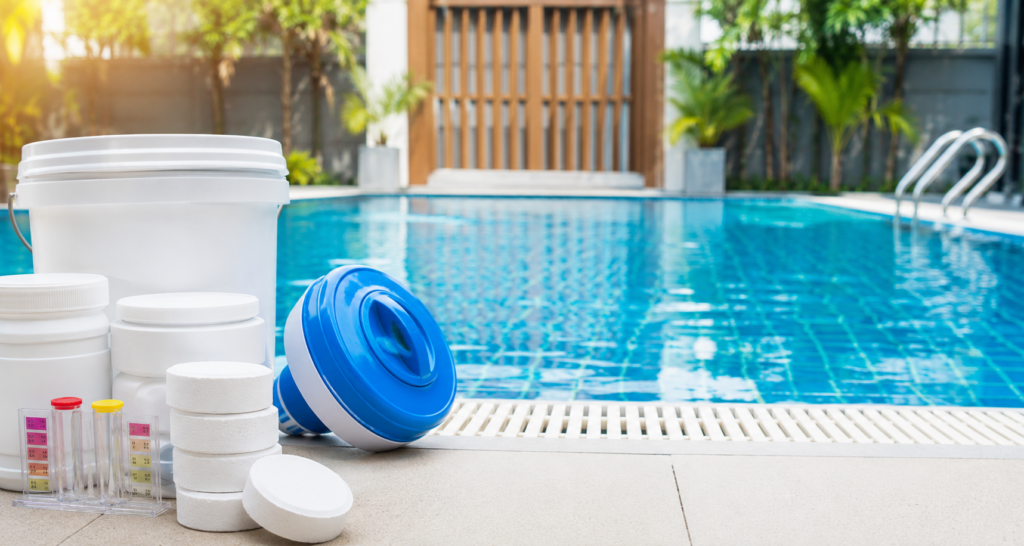
Whether it’s a luxury hotel, residential community, water park, sports club, or commercial swimming facility, maintaining clean and hygienic pool water is essential. Proper swimming pool water treatment ensures that the water remains safe, clear, and free from harmful bacteria, algae, and contaminants. Using the right swimming pool chemicals not only protects swimmers but also extends the lifespan of pool equipment, reduces maintenance costs, and ensures compliance with health standards. At Hydroguardme, we provide premium-quality pool treatment chemicals designed for residential and commercial pool treatment applications across the UAE. Why Swimming Pool Water Treatment is Important Swimming pools are constantly exposed to contaminants such as: Without effective swimming pool water treatment, these contaminants can quickly affect water quality, making the pool unsafe for users. Proper treatment helps: Essential Swimming Pool Chemicals Choosing the correct swimming pool chemicals is the foundation of effective pool maintenance. 1. Chlorine Chlorine is the primary disinfectant used in swimming pools. Benefits include: Hydroguardme supplies high-quality chlorine products suitable for all pool sizes. 2. pH Adjusters Maintaining the correct pH is crucial for effective disinfection. Ideal pH Level:7.2 – 7.6 If pH is too high: If pH is too low: Pool treatment chemicals include: 3. Algaecides Algae can make pool water green, slippery, and unpleasant. Algaecides help: They are an essential part of every commercial pool treatment program. 4. Flocculants & Clarifiers Tiny suspended particles can make pool water cloudy. Clarifiers: Flocculants settle impurities to the bottom, making vacuum cleaning easier. 5. Calcium Hardness Increaser Balanced calcium hardness prevents: 6. Cyanuric Acid (Stabilizer) Outdoor pools lose chlorine quickly due to sunlight. Cyanuric acid: Commercial Pool Treatment Solutions Large facilities require professional commercial pool treatment to maintain consistent water quality. Common facilities include: Commercial treatment requires: Hydroguardme provides complete chemical solutions for commercial pool operations. Benefits of Professional Pool Treatment Chemicals Using premium-quality pool treatment chemicals offers several advantages. Improved Water Quality Proper chemical balance keeps water sparkling clean. Enhanced Safety Removes harmful microorganisms that can cause infections. Lower Maintenance Costs Well-maintained water reduces equipment wear and repair expenses. Extended Equipment Life Balanced water protects pumps, filters, pipes, and pool surfaces. Better Swimming Experience Clean water means: How Often Should Pool Water Be Treated? For optimal results: Daily: Weekly: Monthly: Regular maintenance ensures effective swimming pool water treatment throughout the year. Choosing the Right Pool Chemicals Supplier Not all chemical suppliers offer the same quality and support. A reliable pool chemicals supplier should provide: Hydroguardme combines quality products with professional expertise to help customers maintain healthy and efficient swimming pools. Why Choose Hydroguardme? Hydroguardme is a trusted pool chemicals supplier offering complete swimming pool water treatment solutions for residential and commercial applications. Our advantages include: Whether you manage a private pool or a large commercial facility, Hydroguardme provides dependable products and expert support to keep your pool water clean, safe, and crystal clear. Conclusion Effective swimming pool water treatment is essential for maintaining hygienic, safe, and visually appealing swimming pools. By using the right swimming pool chemicals, performing regular maintenance, and partnering with a trusted pool chemicals supplier, pool owners can ensure exceptional water quality while extending the life of their equipment. Hydroguardme offers a complete range of pool treatment chemicals and commercial pool treatment solutions tailored to the needs of hotels, resorts, residential communities, and recreational facilities. Our expert team is committed to delivering reliable products and technical support that help maintain healthy, sparkling pools all year round.

Swimming Pool Water Treatment: Essential Chemicals for Safe and Crystal-Clear Pools Read Post »

Scroll to Top