Water Treatment Services in UAE

Domestic Water Treatment: A Complete Guide to Safe and Reliable Water Purification

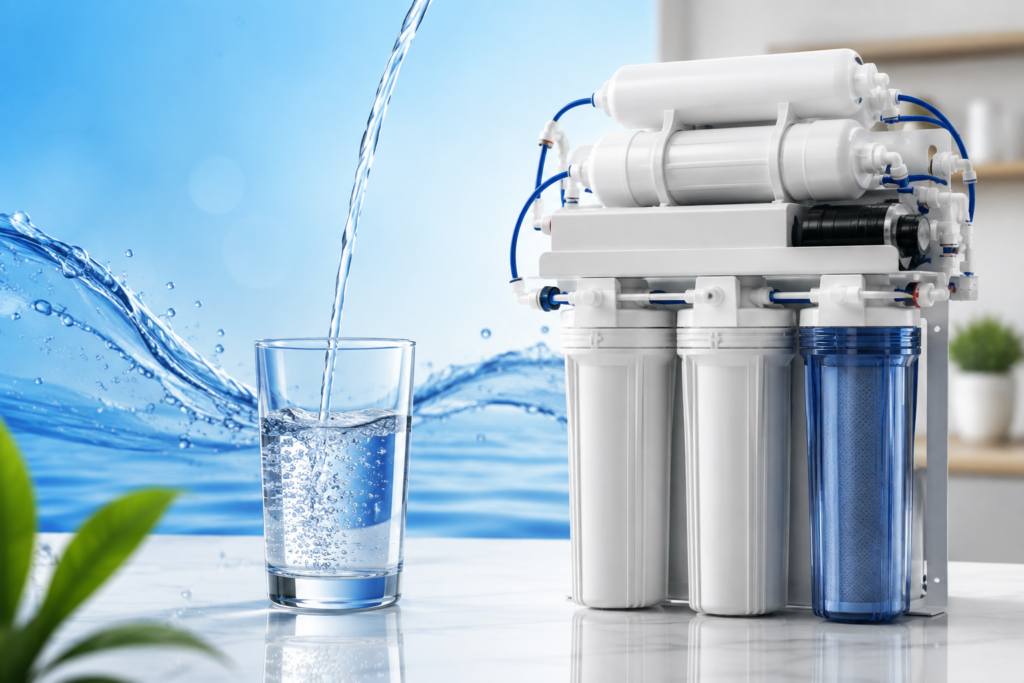
Clean and safe water is essential for every household. Whether water comes from a municipal supply, borewell, tanker, or another source, it may contain suspended particles, dissolved minerals, microorganisms, or other contaminants that affect its quality. This is where domestic water treatment and purification systems play an important role. Modern water treatment solutions are designed to improve water quality and make it suitable for drinking, cooking, bathing, and other household applications. Choosing the right treatment process depends on the source of water, the type of contaminants present, and the intended use. What Is Domestic Water Treatment? Domestic water treatment refers to the processes and systems used to improve the quality of water supplied to homes and residential properties. Depending on the water source and quality, treatment may involve filtration, sediment removal, activated carbon treatment, disinfection, membrane filtration, or other purification technologies. The main objective is to reduce unwanted contaminants while maintaining water that is suitable for its intended household use. Why Is Drinking Water Treatment Important? Drinking water treatment focuses specifically on making water safer for human consumption. Water can sometimes contain microorganisms, sediments, unpleasant odours, chlorine-related tastes, dissolved salts, or other impurities. An appropriate treatment system can help address these issues and improve the overall quality and acceptability of drinking water. Treatment requirements vary depending on the source and existing water quality, so water testing can be useful before selecting a purification system. Understanding Potable Water Treatment Potable water treatment is the treatment of water intended for human consumption. The treatment process may include several stages, depending on the characteristics of the incoming water. Common treatment stages can include: A properly designed potable water treatment system should be selected according to the actual water quality rather than relying on a one-size-fits-all approach. Domestic Water Purification for Different Water Sources Different water sources can have very different treatment requirements. Municipal water may already undergo centralized treatment but can still require additional filtration at the point of use. Borewell water may have higher levels of hardness, dissolved minerals, iron, or other naturally occurring substances. Similarly, tanker or stored water can require filtration and disinfection depending on its quality and storage conditions. This makes domestic water purification a source-specific process. Testing the water helps determine which treatment technologies are appropriate and prevents unnecessary treatment. Common Water Purification Technologies Several technologies can be incorporated into residential water treatment systems. Sediment Filtration Sediment filters capture suspended particles such as sand, dirt, rust, and other visible impurities. They are often used as an initial treatment stage to protect downstream equipment. Activated Carbon Filtration Activated carbon is commonly used to improve taste and odour and reduce certain organic contaminants. It can also help reduce residual chlorine in appropriately designed systems. Reverse Osmosis Reverse osmosis uses a semi-permeable membrane to reduce many dissolved substances from water. It is particularly useful when water contains elevated levels of total dissolved solids or specific dissolved contaminants. Ultraviolet Disinfection UV systems use ultraviolet light to help control microorganisms in water. They are often used as part of a broader treatment system rather than as a replacement for physical filtration. Water Softening Where hardness is a significant concern, water softeners can help reduce calcium and magnesium ions responsible for scale formation. This can be particularly useful for protecting household plumbing, appliances, and fixtures. How to Choose Water Purification Products The right water purification products should be selected based on water quality, household demand, treatment objectives, and maintenance requirements. Before purchasing a system, consider: Benefits of a Properly Designed Domestic Water Treatment System A suitable treatment system can provide several benefits for residential users. It can improve water taste and odour, reduce unwanted particles, address specific contaminants, and provide more consistent water quality for drinking and household applications. Effective treatment can also help protect plumbing fixtures and appliances when problems such as sediment, hardness, or scale are present. However, water treatment should always be based on the actual quality of the incoming water. Over-treatment can increase operating costs, while inadequate treatment may fail to address important contaminants. Conclusion Reliable domestic water treatment is an important part of maintaining safe and high-quality water in residential environments. From drinking water treatment and potable water treatment to filtration, disinfection, and domestic water purification, the right combination of technologies can help address different water quality challenges. For businesses and homeowners looking for professional water treatment solutions, Hydroguardme provides solutions designed around specific water treatment requirements and applications. Learn more about domestic and potable water treatment systems through their dedicated water treatment solutions.

Domestic Water Treatment: A Complete Guide to Safe and Reliable Water Purification Read Post »
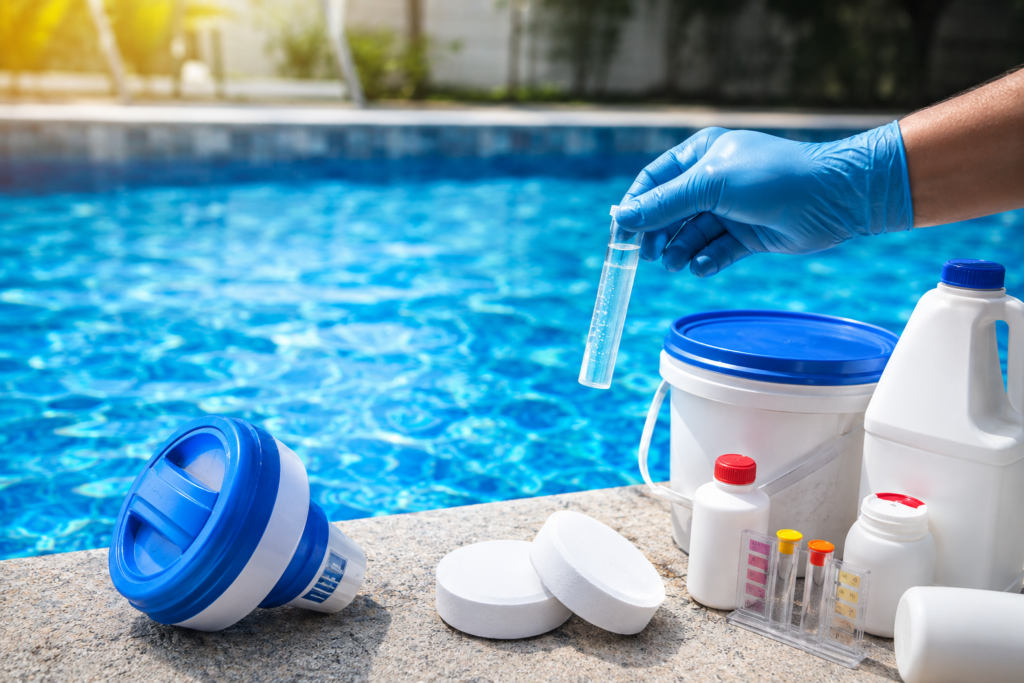
Swimming Pool Water Treatment: Essential Chemicals, Benefits, and Best Practices

A swimming pool should provide a clean, safe, and comfortable environment for swimmers. However, maintaining high-quality pool water requires more than regular cleaning and filtration. Proper swimming pool water treatment is essential to control microorganisms, algae, suspended particles, unpleasant odors, and chemical imbalances. The right swimming pool chemicals help maintain water quality, improve sanitation, protect pool equipment, and create better swimming conditions. Whether the pool is located in a residential property, hotel, resort, sports facility, or commercial recreation center, a well-planned chemical treatment program is essential for long-term pool maintenance. Why Is Swimming Pool Water Treatment Important? Pool water is constantly exposed to contaminants. Swimmers introduce sweat, body oils, cosmetics, and other organic materials, while dust, leaves, microorganisms, and environmental pollutants can also enter the water. Without proper treatment, these contaminants can cause cloudy water, algae growth, unpleasant smells, and microbial contamination. An effective swimming pool water treatment process helps to: Regular water testing and appropriate chemical dosing are therefore important components of effective pool management. Essential Swimming Pool Chemicals for Water Treatment Different chemicals perform specific functions in maintaining pool water quality. The right combination depends on factors such as pool size, water source, usage frequency, temperature, and existing water conditions. 1. Chlorine and Pool Sanitizers Chlorine is one of the most commonly used sanitizers for swimming pools. It helps control bacteria, viruses, and other microorganisms that can enter the water. Chlorine is available in different forms, including liquid, granular, and tablet-based products. Maintaining the appropriate sanitizer level is important for effective disinfection while supporting swimmer comfort. 2. pH Balancing Chemicals Maintaining the correct pH is a fundamental part of swimming pool water treatment. If the pH is too low, pool water can become corrosive and may contribute to irritation or equipment damage. If the pH is too high, sanitizer effectiveness can be reduced and mineral scaling may occur. pH increasers and pH reducers are commonly used to keep the water within the recommended balance. 3. Algaecides Algae can develop when pool water is not properly sanitized or circulated. Warm temperatures, sunlight, and inadequate chemical treatment can encourage algae growth. Algaecides are used as part of pool maintenance programs to control and prevent algae. They can be particularly useful when pools experience recurring algae-related issues. 4. Coagulants and Flocculants Sometimes, very small particles remain suspended in pool water even after filtration. This can result in cloudy or dull-looking water. Coagulants and flocculants help gather fine particles into larger particles, making them easier to remove through filtration or settling. Their use should be based on the pool’s water condition and treatment requirements. 5. Alkalinity and Calcium Hardness Chemicals Water balance also involves total alkalinity and calcium hardness. Alkalinity helps stabilize pH and reduce sudden fluctuations, while calcium hardness management helps minimize the risk of scaling or corrosive water conditions. Maintaining appropriate water chemistry helps support both water quality and the long-term condition of pool surfaces and equipment. How Does Swimming Pool Water Treatment Work? Effective pool treatment involves more than simply adding chemicals to the water. Chemical treatment should work together with testing, filtration, circulation, and regular cleaning. Step 1: Test the Pool Water Regular water testing helps determine the current chemical condition of the pool. Parameters such as pH, sanitizer concentration, alkalinity, and calcium hardness should be monitored based on the pool’s requirements. Testing provides the information needed to determine whether chemical adjustments are necessary. Step 2: Balance the Water Chemistry Once the water has been tested, suitable pool treatment chemicals can be used to correct imbalances. Proper water balance helps improve sanitizer performance while reducing the risk of scaling, corrosion, and other water-related problems. Step 3: Sanitize the Pool Sanitization is essential for controlling microorganisms. Chlorine or another suitable sanitation method can be selected depending on the pool type and operating requirements. Consistent sanitization helps maintain hygienic swimming conditions. Step 4: Control Algae and Cloudiness If algae or cloudy water is detected, additional treatment may be required. Suitable algaecides, clarifiers, coagulants, or flocculants can be incorporated depending on the cause of the problem. Step 5: Maintain Filtration and Circulation Even the best swimming pool chemicals cannot compensate for poor circulation or an improperly maintained filtration system. Filters, pumps, skimmers, and circulation systems should be inspected and maintained regularly to ensure that treated water is distributed and contaminants are removed effectively. Benefits of Using the Right Pool Treatment Chemicals Using appropriate pool treatment chemicals as part of a properly managed treatment program provides several benefits. Improved Water Clarity Proper chemical balance and filtration help remove contaminants and suspended particles, resulting in cleaner and clearer water. Better Pool Hygiene Sanitizers help control microorganisms that can enter the pool through swimmers and environmental exposure. Algae Prevention Regular treatment helps reduce the conditions that encourage algae growth and can support better overall pool appearance. Protection of Pool Equipment Balanced water chemistry helps minimize corrosion, scaling, and other issues that can affect pumps, filters, pipes, heaters, and pool surfaces. Better Swimmer Comfort Maintaining appropriate water chemistry can help reduce issues associated with improperly balanced water, including potential eye and skin irritation. Reduced Maintenance Problems A consistent chemical treatment program can help prevent major water quality problems before they become more difficult and expensive to correct. Best Practices for Swimming Pool Chemical Management Proper chemical management is essential for achieving consistent results. Pool operators and maintenance teams should follow a systematic approach rather than adding chemicals based on appearance alone. Some important practices include: Chemical quantities should always be determined based on actual water test results and the specific product instructions. How to Choose the Right Pool Chemicals Supplier Choosing a reliable pool chemicals supplier is important for maintaining consistent water treatment performance. Pool operators should consider product quality, availability, technical support, and suitability for their specific application. A dependable supplier should ideally provide: Working with an experienced supplier can make it easier to develop a practical chemical treatment program based on pool size, water conditions, usage levels, and maintenance requirements. Why Regular

Swimming Pool Water Treatment: Essential Chemicals, Benefits, and Best Practices Read Post »

Water treatment

Best Water Treatment Chemicals Supplier in the UAE

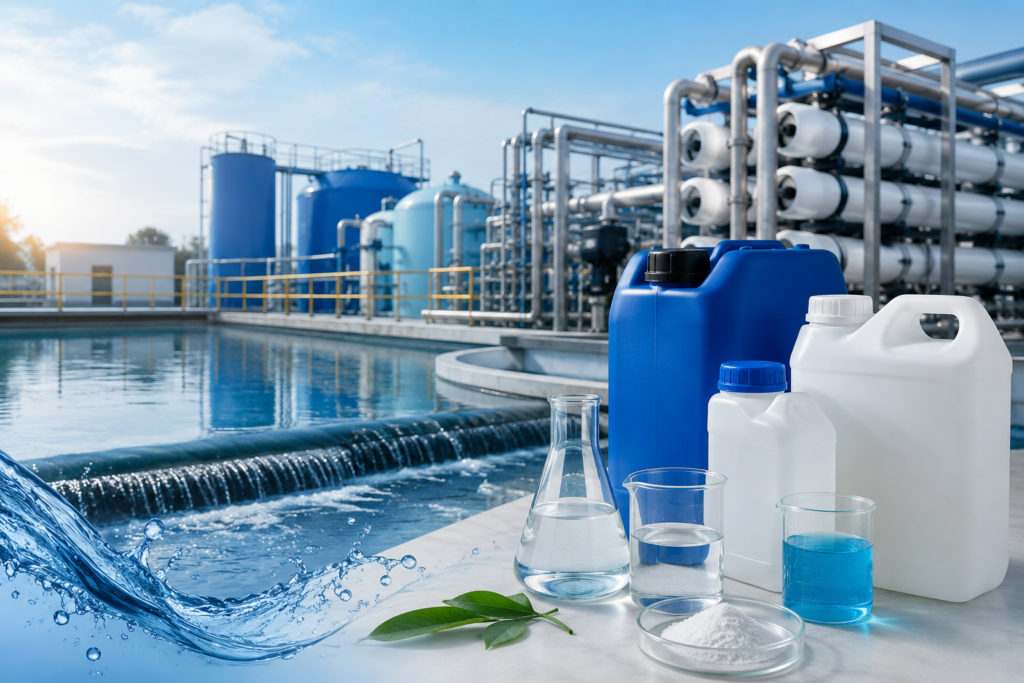
Water plays a vital role in industries, commercial buildings, healthcare facilities, hospitality, and residential communities across the UAE. Whether it is used in cooling towers, boilers, manufacturing processes, or drinking water systems, maintaining high water quality is essential for operational efficiency and equipment protection. This is why choosing the right Water Treatment Company in UAE is a critical decision for every business. Hydroguardme is recognized for delivering reliable and innovative water treatment solutions that meet the diverse needs of businesses across the UAE. As a Leading Water Treatment Company in UAE, we provide premium Water Treatment Chemicals, customized treatment programs, and expert technical support to help customers maintain efficient and sustainable water systems. Why Water Treatment Chemicals Are Essential Water naturally contains dissolved minerals, salts, bacteria, algae, and other impurities that can negatively affect industrial and commercial systems. Without proper treatment, these contaminants can cause scaling, corrosion, microbial growth, and reduced equipment efficiency. High-quality Water Treatment Chemicals are specially formulated to eliminate or control these issues. They help maintain water quality, improve operational performance, and reduce maintenance costs. Proper Water Chemical Treatment also ensures compliance with environmental and industry regulations while extending the life of expensive equipment. What Makes a Reliable Water Treatment Company? Choosing the right Water Treatment Company involves more than simply purchasing chemicals. A trusted supplier should provide complete water treatment solutions backed by technical expertise and ongoing support. When selecting a Water Treatment Systems Company UAE, businesses should look for: Hydroguardme offers all these services, ensuring every client receives a treatment program tailored to their specific operational requirements. Industries That Depend on Water Treatment Almost every industry relies on effective water treatment to protect equipment and maintain productivity. Manufacturing Industrial production facilities use water extensively for cooling, processing, and cleaning. Effective Water Chemical Treatment prevents scale formation and corrosion, reducing downtime and improving operational efficiency. Hospitality Hotels depend on clean and treated water for guest comfort, cooling systems, swimming pools, and boiler operations. Reliable water treatment ensures smooth daily operations while minimizing maintenance expenses. Healthcare Hospitals and healthcare facilities require high-quality treated water for sterilization, medical equipment, and building services. Maintaining water quality is essential for hygiene and patient safety. Food and Beverage Food processing plants require treated water to meet strict hygiene standards and protect production equipment from contamination and mineral deposits. Commercial Buildings Large commercial buildings and office complexes rely on cooling towers, HVAC systems, and plumbing networks that require regular water treatment to operate efficiently. Types of Water Treatment Chemicals As a trusted Water Treatment and Purification Chemicals Company, Hydroguardme supplies a wide range of chemicals designed for different applications. Corrosion Inhibitors These chemicals protect metal surfaces by forming a protective layer that prevents rust and corrosion in pipelines, boilers, and cooling systems. Scale Inhibitors Mineral deposits reduce heat transfer efficiency and increase energy consumption. Scale inhibitors help prevent these deposits, keeping equipment clean and efficient. Biocides Bacteria, algae, and fungi can rapidly grow in cooling towers and water systems. Biocides effectively control microbial growth, protecting both equipment and water quality. pH Control Chemicals Maintaining the correct pH balance is essential for preventing corrosion and ensuring the effectiveness of other treatment chemicals. Oxygen Scavengers Boiler systems often contain dissolved oxygen that accelerates corrosion. Oxygen scavengers remove dissolved oxygen, protecting boiler components from damage. Why Hydroguardme Is a Preferred Choice Hydroguardme has established itself as a Leading Water Treatment Company in UAE by delivering reliable products and exceptional customer service. Our strengths include: Our goal is not only to supply chemicals but also to improve the overall performance and reliability of your water systems. Benefits of Choosing Quality Water Treatment Chemicals Using premium-quality chemicals provides several long-term advantages. Improved Equipment Performance Clean water systems operate more efficiently, allowing pumps, boilers, cooling towers, and heat exchangers to perform at their best. Lower Maintenance Costs Preventing scale and corrosion reduces the need for expensive repairs and emergency maintenance. Increased Equipment Lifespan Protecting internal components helps extend the service life of valuable industrial assets. Better Energy Efficiency Clean heat transfer surfaces reduce energy consumption, lowering operational costs. Enhanced Water Quality Effective treatment improves water safety and supports compliance with environmental standards. Customized Water Treatment Solutions Every facility has unique water quality challenges. Factors such as water source, operating temperature, equipment type, and system design influence the treatment program required. Hydroguardme begins every project with detailed water testing and system evaluation. Based on the results, our engineers design customized treatment programs that maximize performance while minimizing chemical consumption and operating costs. This personalized approach ensures better efficiency and long-term savings for every client. Commitment to Sustainability Sustainability has become an important priority across industries in the UAE. Proper Water Chemical Treatment supports environmental goals by reducing water wastage, improving recycling opportunities, and optimizing system efficiency. Hydroguardme develops environmentally responsible treatment programs that help businesses conserve resources while maintaining reliable operations. Why Businesses Trust Hydroguardme Businesses throughout the UAE choose Hydroguardme because we focus on quality, innovation, and customer satisfaction. Our team combines technical expertise with advanced treatment technologies to deliver dependable water management solutions across multiple industries. Whether your facility requires boiler treatment, cooling tower chemicals, RO system chemicals, wastewater treatment, or complete water management services, Hydroguardme has the experience and products to meet your needs. Conclusion Selecting the right Water Treatment Company in UAE is essential for protecting equipment, reducing operational costs, and maintaining consistent water quality. High-quality Water Treatment Chemicals play a crucial role in preventing corrosion, scaling, and microbial contamination, ensuring reliable performance across industrial and commercial applications. As a trusted Water Treatment Systems Company UAE and Water Treatment and Purification Chemicals Company, Hydroguardme provides customized solutions that deliver measurable results. With premium products, experienced professionals, and a commitment to excellence, we help businesses achieve efficient, sustainable, and cost-effective water treatment. If you are looking for a dependable partner to manage your water treatment needs, Hydroguardme is ready to deliver solutions that protect your systems today and for years to come.

Best Water Treatment Chemicals Supplier in the UAE Read Post »

Why UAE Industries Need Advanced Water Treatment Chemicals

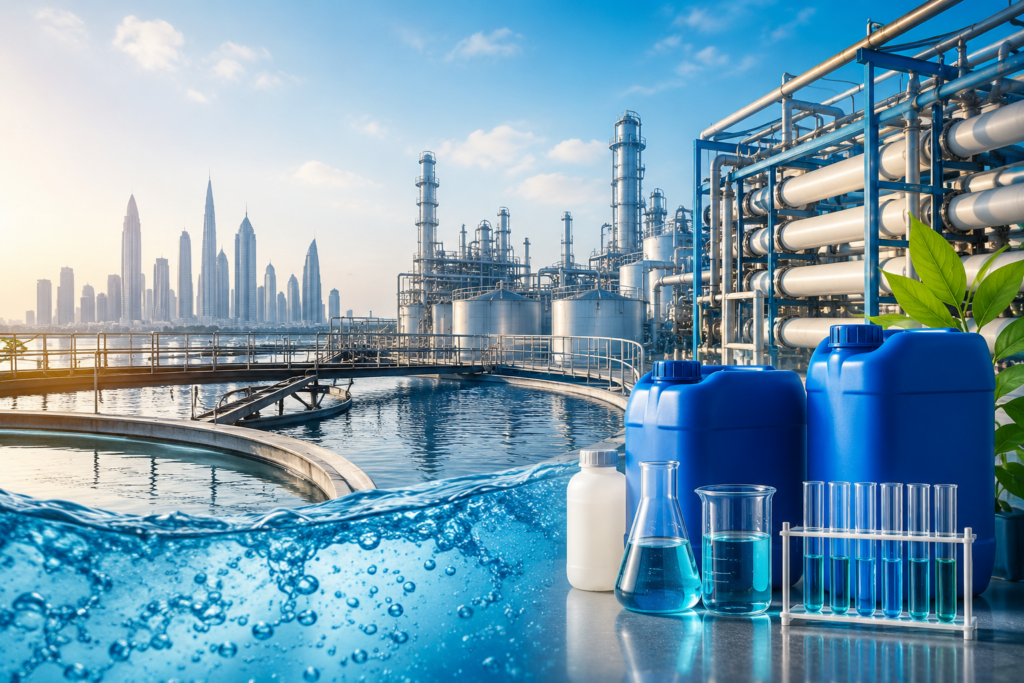
Water is one of the most valuable resources for industries across the UAE. From manufacturing plants and power stations to commercial buildings and hospitality facilities, every sector depends on clean, safe, and efficiently managed water systems. However, the UAE’s high temperatures, hard water, and increasing industrial demand create unique challenges that require specialized water treatment solutions. This is where Hydroguardme, a trusted Water Treatment Company in UAE, provides advanced Water Treatment Chemicals and customized treatment programs that help businesses improve efficiency, reduce maintenance costs, and extend equipment life. Whether it’s cooling towers, boilers, reverse osmosis (RO) plants, or wastewater treatment systems, investing in the right Water Chemical Treatment is essential for sustainable industrial operations. Why Water Treatment Matters in the UAE The UAE primarily relies on desalinated water and groundwater, both of which can contain dissolved salts, minerals, and impurities. Without proper treatment, these contaminants lead to: A professional Water Treatment Company ensures these issues are prevented through advanced chemical treatment programs tailored to each facility. What Are Advanced Water Treatment Chemicals? Water Treatment Chemicals are specially formulated products designed to maintain water quality and protect industrial systems from damage caused by minerals, microorganisms, and contaminants. These chemicals are widely used in: As a reliable Water Treatment and Purification Chemicals Company, Hydroguardme supplies high-performance chemicals that improve operational efficiency while reducing maintenance costs. Why UAE Industries Need Advanced Water Treatment Chemicals 1. Prevent Scale Formation Hard water is one of the biggest challenges for UAE industries. Minerals like calcium and magnesium create scale deposits inside pipes, boilers, condensers, and cooling towers. Proper Water Chemical Treatment prevents scale buildup, ensuring efficient heat transfer and improved equipment performance. 2. Protect Equipment from Corrosion Industrial equipment constantly exposed to untreated water is vulnerable to corrosion. Hydroguardme’s corrosion inhibitors help: 3. Improve Cooling Tower Performance Cooling towers work continuously in the UAE’s harsh climate. Without proper treatment, systems experience: Hydroguardme’s advanced Water Treatment Chemicals keep cooling systems clean, efficient, and energy-saving. 4. Increase Boiler Efficiency Boilers require chemically treated water to prevent: Advanced Water Chemical Treatment improves steam quality, lowers energy consumption, and reduces maintenance requirements. 5. Optimize Reverse Osmosis Systems RO systems are essential for water purification across various industries. Hydroguardme provides specialized RO treatment chemicals that help: As an experienced Water Treatment Systems Company UAE, Hydroguardme delivers customized RO treatment solutions for every application. 6. Ensure Environmental Compliance Industrial wastewater must comply with UAE environmental regulations before discharge. Proper chemical treatment helps businesses: Hydroguardme supports industries with complete water treatment solutions that align with local compliance requirements. Industries Served by Hydroguardme Hydroguardme provides customized water treatment solutions for various industries, including: Benefits of Advanced Water Treatment Chemicals Choosing high-quality Water Treatment Chemicals offers several advantages: Improved Equipment Lifespan Protects boilers, cooling towers, pipelines, and RO systems from corrosion and scaling. Reduced Maintenance Costs Prevents costly repairs and minimizes unexpected downtime. Better Energy Efficiency Clean systems require less energy to operate, reducing overall utility costs. Enhanced Water Quality Maintains safe and consistent water standards for industrial applications. Sustainable Water Management Supports water conservation and efficient resource utilization. Regulatory Compliance Helps industries meet UAE environmental and safety regulations.\ Why Choose Hydroguardme As a Leading Water Treatment Company in UAE, Hydroguardme delivers comprehensive water treatment solutions backed by technical expertise and industry experience. Our services include: Our goal is to help businesses maximize operational efficiency while reducing maintenance costs and improving water sustainability. Complete Water Treatment Solutions Hydroguardme offers a wide range of products and services, including: Every solution is tailored to meet the specific needs of each industry and facility. Future-Ready Water Treatment Solutions As industries adopt smarter technologies and sustainability initiatives, advanced water treatment has become more important than ever. Hydroguardme continues to deliver innovative solutions such as: These technologies help industries improve efficiency while reducing environmental impact. Conclusion Industrial success depends on reliable and efficient water management. The UAE’s challenging climate and demanding industrial environment require advanced Water Treatment Chemicals that protect equipment, reduce operating costs, and improve overall performance. As a trusted Water Treatment Company in UAE, Hydroguardme provides customized Water Chemical Treatment solutions for cooling towers, boilers, RO plants, wastewater treatment systems, and industrial water applications. Our expertise, innovative technologies, and commitment to quality make us the preferred Water Treatment and Purification Chemicals Company for businesses across the UAE. Partner with Hydroguardme to ensure cleaner water, better system performance, and long-term operational success.

Why UAE Industries Need Advanced Water Treatment Chemicals Read Post »

Understanding TOX Formation: Sodium Hypochlorite vs. Chlorine Dioxide in Water Treatment

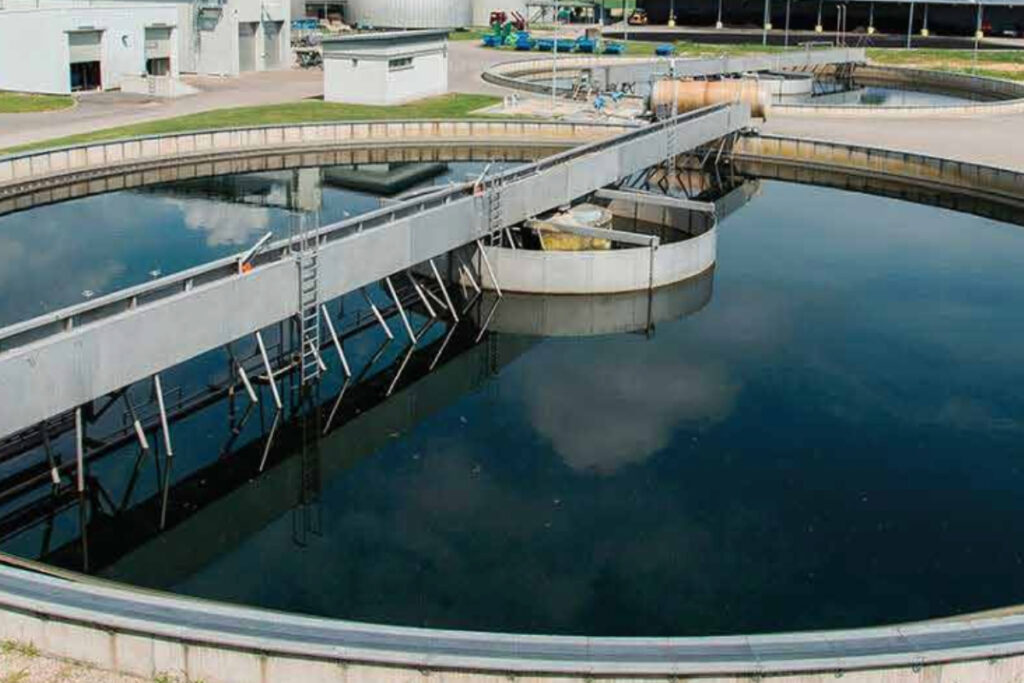
In modern water treatment, disinfection is essential for protecting system integrity and public health. However, when water contains natural organic matter (NOM), disinfection can introduce another challenge—the formation of TOX (Total Organic Halides). These compounds form when oxidizing disinfectants, particularly chlorine-based chemicals, react with organic material in the water. For organizations relying on water treatment services in UAE, understanding how different disinfectants influence TOX formation is critical. Two widely used oxidants in industrial and municipal applications are sodium hypochlorite (NaOCl) and chlorine dioxide (ClO₂). Although both are effective, their reactions with organic matter differ significantly. At Hydroguard, disinfectant selection is guided by both performance and by-product control. How Sodium Hypochlorite Contributes to TOX and THM Formation Sodium hypochlorite disinfects by releasing free chlorine, which readily reacts with organic compounds present in water. During this process, chlorine substitutes hydrogen atoms in organic molecules, forming halogenated by-products. The most well-known group of these by-products is trihalomethanes (THMs). Common THMs formed include chloroform, dichlorobromomethane, chlorodibromomethane, and bromoform. These compounds are regulated in drinking water treatment UAE systems due to their potential health and environmental risks. Higher levels of NOM, warmer temperatures, and extended contact time all accelerate THM and TOX formation. For this reason, facilities working with water purification services UAE must carefully evaluate hypochlorite use in organic-rich water sources. Why Sodium Hypochlorite Produces Higher TOX Levels The chemistry behind hypochlorite-driven TOX formation is well established. Chlorine acts as a strong electrophilic halogenator. When it encounters natural organics, halogen atoms integrate directly into the carbon structure of organic molecules. This reaction pathway generates a broad range of halogenated organic compounds, all of which contribute to overall TOX values. As a result, sodium hypochlorite disinfection can lead to elevated TOX levels, increased THM concentrations, and a higher load of oxidation by-products. These by-products may also affect downstream equipment and treatment processes. Through experience in industrial water treatment services UAE, Hydroguard often addresses these challenges by reassessing oxidant selection. Chlorine Dioxide: A Low-TOX Alternative Chlorine dioxide behaves very differently when it reacts with organic matter. Instead of halogenating organic molecules, ClO₂ disinfects primarily through electron transfer oxidation. This means it alters organic compounds without adding chlorine atoms to their molecular structure. Because chlorination does not occur, chlorine dioxide produces minimal TOX and virtually no THMs. Even in water with high organic content, by-product formation remains extremely low. For systems where by-product control is critical, this difference is significant. Why Chlorine Dioxide Minimizes TOX and THMs Chlorine dioxide does not chlorinate organic molecules, which prevents halogenated by-product formation. It oxidizes organics selectively, producing fewer secondary compounds. As a result, THM formation is negligible, and overall TOX levels remain low. These characteristics make chlorine dioxide particularly effective for cooling towers with organic contamination, industrial process water containing hydrocarbons, potable water systems requiring strict THM control, and wastewater polishing applications. Based on project-specific requirements, Hydroguard frequently recommends ClO₂ as part of advanced water treatment services in UAE. Choosing the Right Disinfectant for Safer Water Treatment Disinfectant selection should balance microbial control with chemical by-product management. While sodium hypochlorite remains effective and widely used, its tendency to form TOX and THMs makes it less suitable for certain applications. Chlorine dioxide offers targeted disinfection with significantly reduced by-product risk. By understanding these chemical differences, operators can make informed decisions that protect water quality, equipment, and compliance. Through technical expertise and application-specific evaluation, Hydroguard supports facilities in selecting the most effective and responsible disinfection strategies. For organizations seeking advanced water treatment services in UAE, this knowledge-driven approach ensures safer outcomes and long-term system reliability.

Understanding TOX Formation: Sodium Hypochlorite vs. Chlorine Dioxide in Water Treatment Read Post »

Scroll to Top