
In the world of industrial cooling systems, proper water treatment is not just a best practice—it’s essential to ensure system efficiency, longevity, and safety. However, selecting the right cooling water treatment solutions is not as simple as choosing a product from the shelf. It all begins with a detailed engineering survey that evaluates both the cooling system and the water quality.
Companies like Hydroguard emphasize the importance of engineering surveys to design reliable cooling water treatment solutions tailored to each facility’s requirements.
Understanding the System
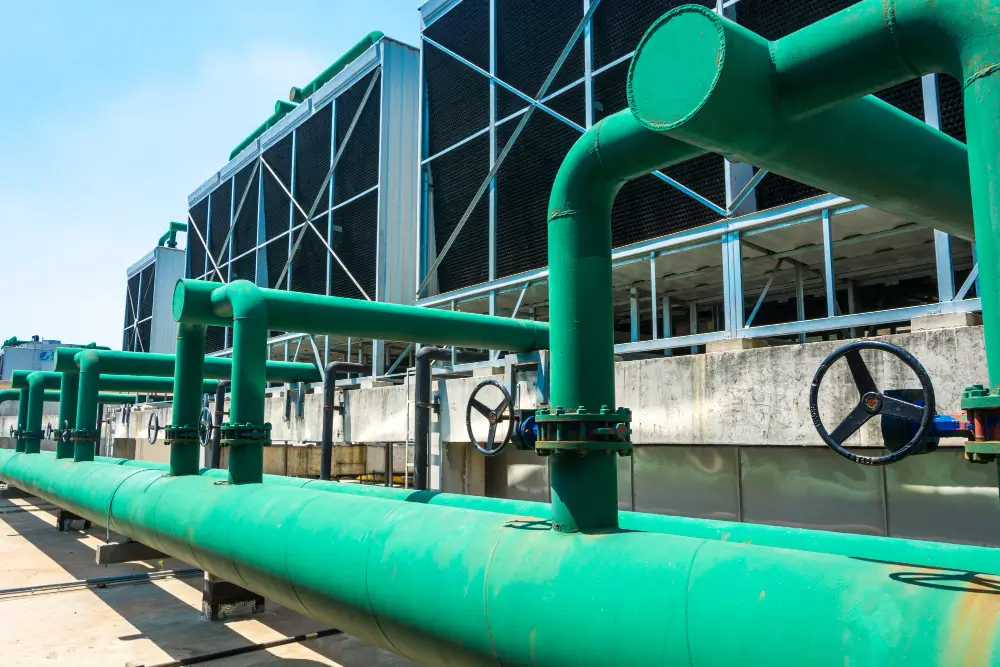
Every cooling system is unique. From open cooling towers to closed-loop circuits, the design, materials, and operational parameters determine the type of treatment it requires. Key aspects to consider include:
System Design & Flow:
Knowing flow rates, system volume, and piping layout ensures chemicals are dosed accurately and that cooling water treatment solutions perform effectively.
Materials of Construction:
Copper, carbon steel, stainless steel, or concrete each react differently to water chemistry. Proper corrosion inhibitors must match the system materials.
Operating Conditions:
Temperature, cycles of concentration, and system pressure influence scaling, corrosion, and microbial growth.
A thorough system survey identifies potential problem areas, such as hotspots prone to corrosion or zones where sediment accumulates. These insights help engineers choose the most appropriate cooling water treatment solutions for long-term system reliability.
Analyzing Water Quality
Water quality is the foundation of every cooling system. Its chemistry determines which treatment methods and products will be effective.
A detailed water analysis provides insight into:
Hardness and Alkalinity:
High calcium and magnesium levels can cause scaling, requiring specialized treatment chemicals.
TDS and Conductivity:
High salt content affects cycles of concentration and may accelerate corrosion.
Chlorides, Sulfates, and Silica:
Elevated levels increase the risk of corrosion and fouling in cooling equipment.
Iron, Manganese, and Microbial Content:
These impurities contribute to sludge formation, biofilm growth, and reduced system efficiency.
Without accurate data, implementing cooling water treatment solutions becomes guesswork—leading to equipment damage, downtime, and higher operational expenses.
Optimizing Treatment Programs
By combining system data with water chemistry analysis, engineers can design a customized program that includes advanced cooling water treatment solutions tailored to the facility.
A well-designed treatment program will:
- Use the correct chemical types and dosages
- Address risks like scaling, corrosion, and microbial growth
- Reduce unnecessary chemical usage and operational costs
- Establish monitoring points for effective system control
With expertise from providers such as Hydroguard, facilities can implement efficient and sustainable treatment programs that maximize performance and minimize downtime.
Ensuring Compliance and Safety
Many industries must comply with strict environmental and safety regulations related to water discharge and chemical handling. A comprehensive engineering survey helps ensure that selected cooling water treatment solutions meet regulatory requirements while maintaining operational safety.
Conclusion
An engineering survey is not a luxury—it is a necessity for effective cooling water treatment. Implementing cooling water treatment solutions without understanding the system is like prescribing medicine without diagnosing the patient.
With the right assessment and expert support from Hydroguard, businesses can ensure their cooling systems operate efficiently, safely, and sustainably for years to come.